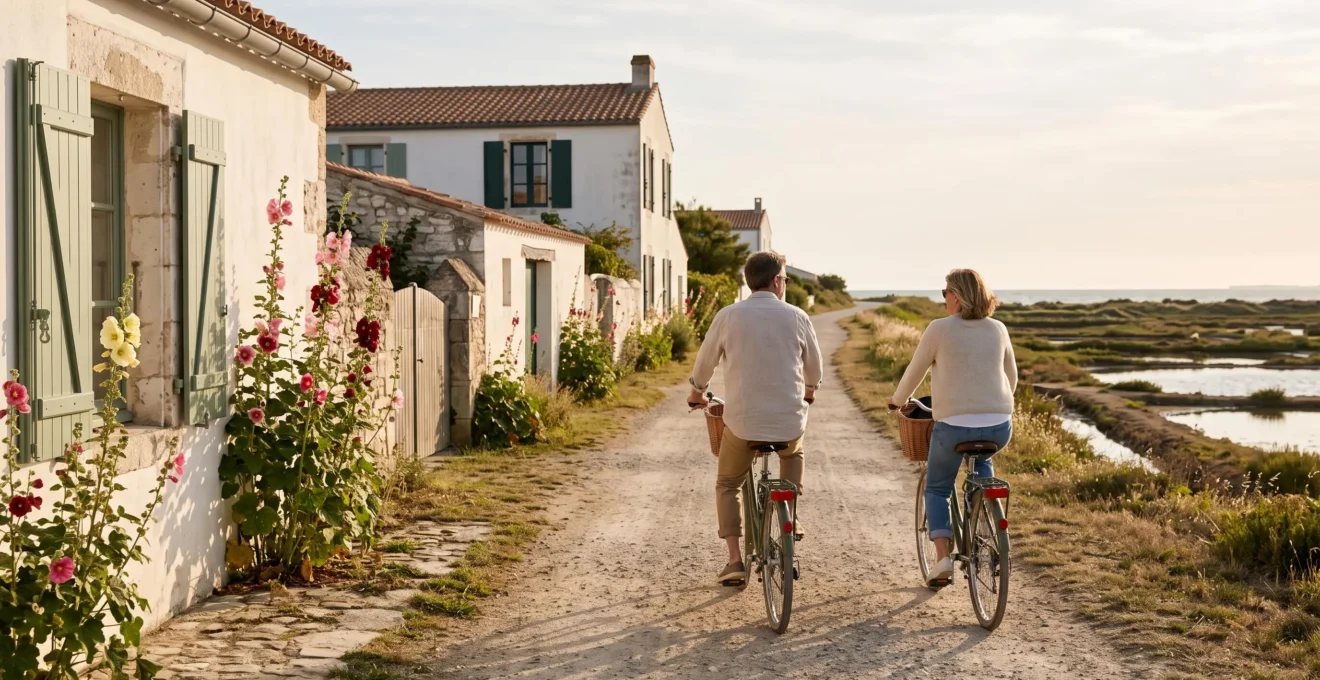
You do not come to Île de Ré for spectacle. You come for a particular kind of French art de vivre: villages you cross by bicycle, market mornings that set the tone for the day, and long lunches where the luxury is space, calm and excellent produce.
If you are planning a 7-day Île de Ré itinerary with a high-end budget, the key is not to cram in “highlights”. It is to balance villages, gastronomy and deliberately slow time—so every choice feels justified, and nothing essential is missed.
This guide answers, very practically: where to base yourselves, what to do each day, when to book, and how to handle logistics (bridge, transport, getting around) without last-minute stress.
Your week at a glance (quiet luxury, no rushing)
- Pick one base (or two, at most) to avoid daily packing.
- Plan 1–2 “anchor moments” per day; protect mornings and late afternoons for unhurried time.
- Use the island’s cycling culture for short hops between villages.
- Book accommodation early in peak periods; verify opening times directly with providers.
- Spend where it changes the experience (location, privacy, tables you truly want), and keep the rest simple.
Why Île de Ré Is the Discreet Luxury Destination French Insiders Keep to Themselves
Réponse directe : A perfect luxury week on Île de Ré is built around restful rhythm—beautiful village bases, produce-driven meals, and nature (salt marshes, beaches, pine forest) experienced slowly, not “ticked off”.
Picture the scene: late afternoon, you cycle back through whitewashed lanes as shutters turn green in the light, and dinner plans feel effortless because everything is close. This is the island’s signature luxury—less about show, more about consistency and ease.
Compared with more ostentatious coastlines, Île de Ré’s premium appeal tends to be quieter: low-rise villages, simple elegance, and the sense of being “in the know” rather than in a parade. The island is modest in size, but that is precisely why it works for one week—you can settle in and still vary the atmosphere daily.
To keep expectations realistic, think of luxury here as the right base, the right table, and the right pace. The island rewards travellers who curate: choosing a village that matches your mood, then layering in a few standout experiences (an oyster tasting, a salt-marsh encounter, a market-to-lunch day) without over-scheduling.
What “luxury” means here : Availability can be seasonal, and the most sought-after addresses are not always numerous—verify opening dates, menus, and services directly with each provider before you lock your programme.
Where to Stay: Choosing Your Base on the Island?
Before you decide “what to do”, decide where you want your mornings to begin. On an island, your base shapes everything: how often you need a car, whether you can stroll to dinner, and how quiet your evenings feel.
Quick base rule : For a one-week high-end stay, choose one primary base for 5–7 nights (or split into two bases only if you strongly prefer contrasting atmospheres).
Two villages dominate most premium one-week stays, for different reasons.
Saint-Martin-de-Ré: is it the most convenient, elegant base?
Yes—if you want centrality and easy evenings. Saint-Martin-de-Ré is often chosen for the port-side ambience, the density of restaurants and boutiques, and the simple pleasure of finishing the day on foot. It can feel lively in high season, so the most peaceful stays are typically those where you prioritise a quiet street or a property set slightly back from the busiest quays.
If you are travelling without a car, this kind of central base makes the island feel manageable: you can build your week around short rides or local connections rather than long drives and parking compromises.
Les Portes-en-Ré: is it better for privacy and a “beach-and-forest” mood?
Often, yes—if your idea of luxury is space and calm. Les Portes-en-Ré is typically associated with a more hushed, bohemian-refined atmosphere: pine forest edges, access to wilder beaches, and a rhythm that encourages slow mornings.
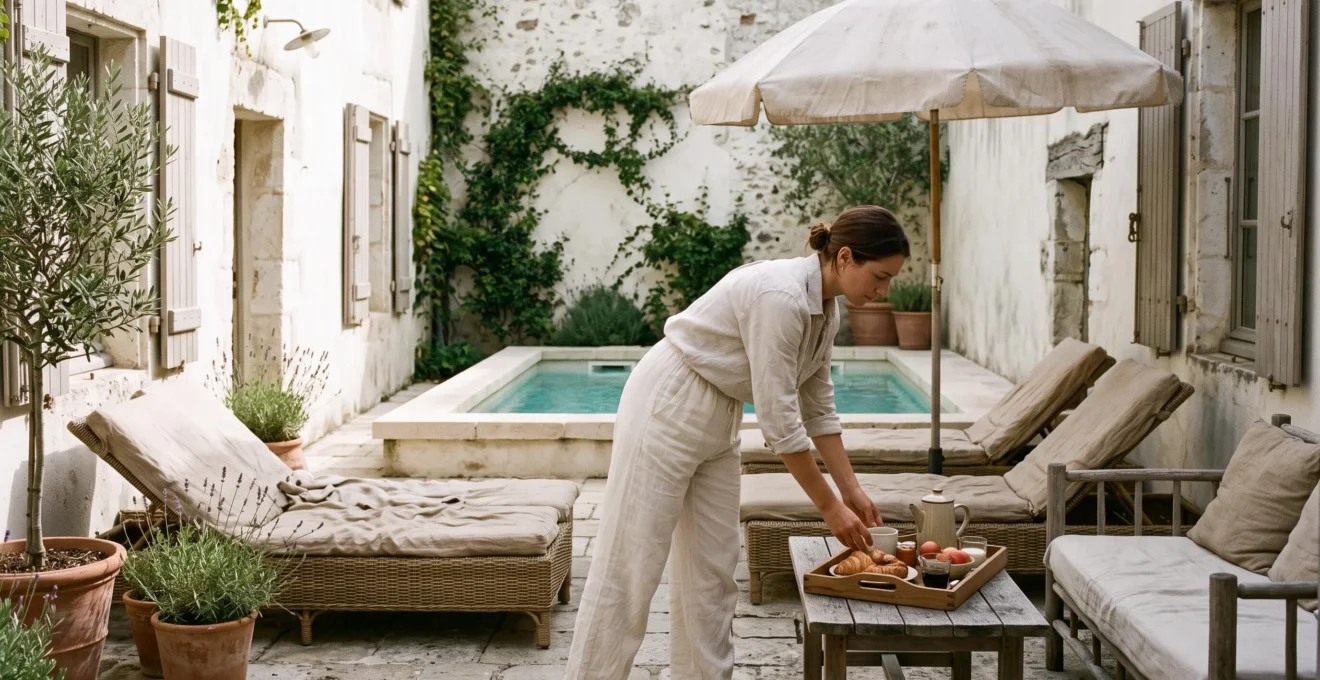
This is the kind of base that suits travellers who want breakfast in a garden, bike rides through nature, and dinners that feel like a destination rather than a default.
To make your decision easier, compare the two bases against how you actually travel.
| Decision factor | Saint-Martin-de-Ré | Les Portes-en-Ré |
|---|---|---|
| Evenings without driving | Very easy: strollable port and dining options | Quieter; you may plan dinners more deliberately |
| Overall atmosphere | Elegant, animated, “harbour life” | Hushed, nature-led, privacy-oriented |
| Getting around | Central feel for exploring multiple villages | Ideal for forest-and-beach days; still doable for the rest with cycling/driving |
| Best for | First-time visitors who want simplicity | Couples or families prioritising calm and space |
If you are weighing a villa versus a boutique hotel, aim for a decision that matches your week’s “shape”: villas give you privacy and the freedom to build slow days; boutique hotels can make the week effortless through concierge-style support and walkable dining. If you want to think through the villa option in more detail, this piece on luxury villas can help clarify what you are really paying for (space, location, autonomy).
Cas pratique
Hypothetical scenario: you are a couple planning a high-end week and you dislike crowds. Base yourselves in Les Portes-en-Ré for calm mornings and beach/forest access, then set two “harbour evenings” in Saint-Martin-de-Ré (taxi or designated driver) so you still taste that port-side energy without sleeping in it.
A Day-by-Day 7-Day Itinerary for a Week of Quiet Luxury
The best week is one where each day opens with a clear scene—then leaves you room to linger. Use this itinerary as a backbone, not a stopwatch: keep one anchor experience per half-day, and let the island fill the gaps.
The rhythm to follow across 7 days
- Mornings: markets, villages, salt marshes—before the day warms up.
- Midday: one long, produce-led lunch.
- Afternoons: beach or a gentle cycle (nothing that requires “making up time”).
- Evenings: one planned dinner every other night; keep the rest flexible.
Day 1: Arrive via La Rochelle and settle into your village base
You land, cross over, and the first luxury decision is simple: do not “do” the island on arrival day. Check in, take a short orientation walk (port or village centre), and choose one relaxed first dinner close to where you sleep.
If you are arriving by car, remember the bridge is tolled: according to the official toll operator, tarifs officiels du péage indicate €8 in middle season and €16 in high season for a light vehicle, while pedestrians and cyclists cross for free. Treat these as reference points and check your vehicle class and travel dates before departure.
Day 2: Saint-Martin-de-Ré at an unhurried pace—port, lanes, and a long lunch
Start with a slow coffee and a walk through the historic streets: the goal is to learn the scale of your base so the rest of the week feels effortless. Late morning is ideal for browsing shops or simply watching harbour life without fighting for space.
After lunch, keep the afternoon deliberately light. If you feel like “doing something”, make it one gentle cycle rather than a multi-stop sprint.
Day 3: Salt marshes and the island’s quiet craft culture
Begin with a salt-marsh-focused morning. This is one of the most tangible ways to understand Île de Ré: landscape shaped by work, light changing over water, and a product that ends up on your table all week.
550hectares
Salt marshes on Île de Ré, per the French Ministry of Agriculture (data published 24 November 2023).
The same ministry notes that the island’s marshes produce on average 2,500 tonnes of salt and 200 tonnes of fleur de sel per year, with the know-how recognised as an IGP in November 2023—see the Ministry’s page on sel et fleur de sel IGP. Use this as context rather than a shopping list: the point is to taste the place through something verifiable and rooted.
In the afternoon, choose one easy pleasure: a beach moment, a nap, or a gentle cycle back through villages. Quiet luxury, here, is also knowing when to stop.
Day 4: Ars-en-Ré for village character, then an oyster-and-sea afternoon
Set the scene early: arrive in Ars-en-Ré while the village still feels calm, take time to wander, and let the architecture and daily life be the “visit”. You are not chasing monuments; you are collecting atmospheres.
Later, plan an oyster moment as your day’s highlight. Aim for late afternoon when the light softens and you can linger without rushing to another booking.
Day 5: A long bike day, but with only one real destination
Choose a single destination village or beach as your “why” for cycling—then allow yourselves to stop often. The island is at its best when the route is part of the day, not a means to complete it.
If you want a simple structure: cycle out late morning, lunch somewhere you genuinely want to sit, then spend the afternoon with sand, sea air and a book.
Day 6: Markets, shopping for a picnic, and an intentionally free afternoon
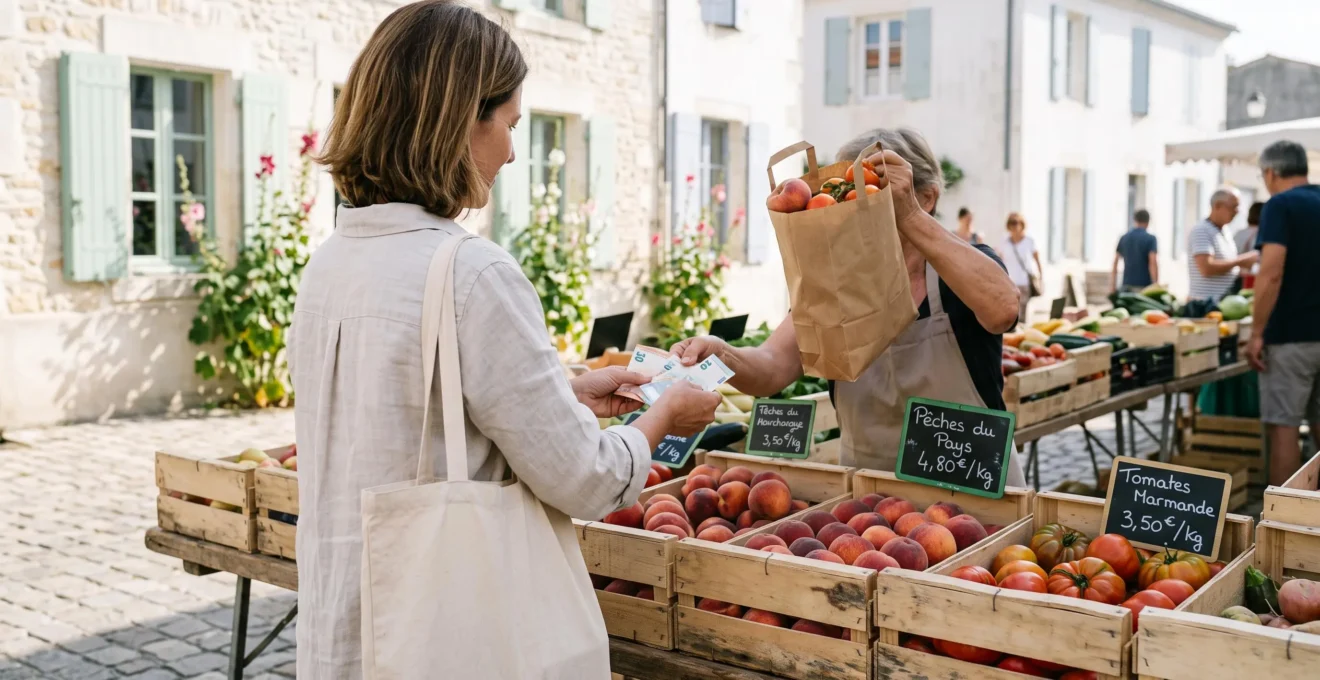
Give yourselves a market morning and build a picnic around what looks exceptional that day. This is where a premium budget can be used wisely: not in complexity, but in ingredients and ease.
Then keep the afternoon unplanned on purpose. A week becomes “luxury” when you have time to change your mind—beach if the weather is right, a cycle if the light is perfect, a nap if your body asks for it.
Day 7: A final slow morning and one last excellent table
On the last day, resist the urge to “finish strong” with a packed checklist. Take a final walk, enjoy a proper breakfast, and choose one meal—lunch or dinner—that feels like a farewell to the island’s rhythm.
The success metric for this itinerary is simple: you leave feeling you lived on Île de Ré for a week, rather than toured it.
What Does Discreet Luxury Taste Like on Île de Ré?
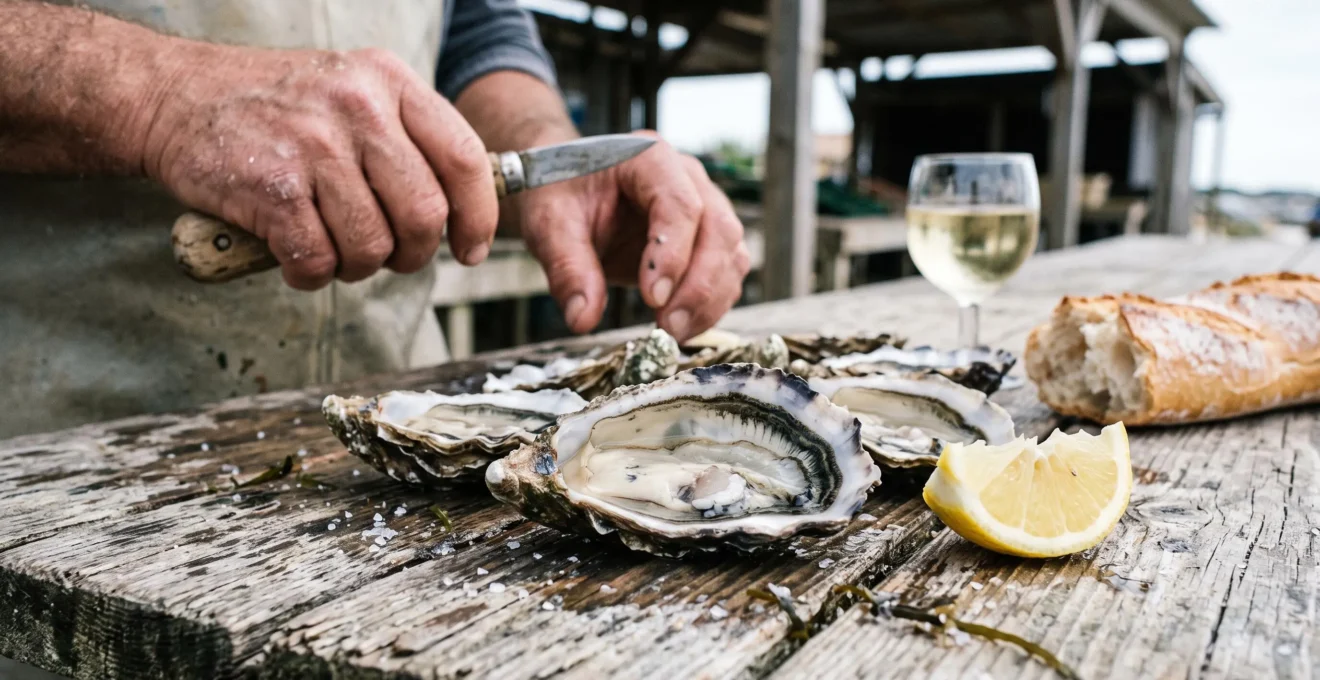
Imagine an end-of-day table under a wooden hut, the sea air still on your skin, and a plate that needs no explanation. On Île de Ré, “luxury taste” is rarely about theatrics; it is about freshness, provenance and timing.
The flavours that define a premium week
- Oysters tasted where they are raised (simple setting, high pleasure).
- Salt and fleur de sel with a clear origin story (IGP recognition in 2023).
- Market produce that makes lunches feel effortless.
- Local bottles (wine or pineau) chosen with advice on the spot.
Start with oysters: the most authentic ritual is to taste them simply, with the tide and the light doing half the work. Keep it early evening if you want to avoid feeling squeezed between other plans.
Then there is salt—an ingredient so basic it can sound like a cliché until you see the marshes and understand the labour behind it. The French Ministry of Agriculture underlines both the scale of the marshes and the IGP recognition (November 2023), which gives you a concrete reason to treat “sel de l’île de Ré” as more than a souvenir.
Finally, use village markets as your week’s quiet backbone. Even if you dine out often, market shopping anchors you in local life and keeps the pace grounded: fruit for the beach, tomatoes for a simple lunch, a good loaf for the room.
Plan like a grown-up : Oyster huts, producers and even some restaurants can have seasonal opening patterns—check directly before you build your day around a single address.
Practical Tips to Plan Your Trip Like a Local
Luxury is also logistics done well: arriving smoothly, moving without friction, and booking only what truly needs booking.
What to sort out before you book anything non-refundable
- How you will arrive (car vs train to La Rochelle + onward transport).
- Whether you want to be car-free (possible with the right base) or flexible (car + cycling).
- Your travel window: crowds and availability are seasonal.
- What deserves advance reservations (accommodation, a few key tables), and what can stay spontaneous.
How do you get to Île de Ré and what does the bridge cost?
Most arrivals route through La Rochelle, then cross the Pont de l’Île de Ré. If you are driving, budget for the toll: the bridge operator publishes the official price grid, including seasonal pricing and vehicle classes (see the official toll information mentioned earlier). If you are cycling or walking, the same official source states the crossing is free.
How do you get around the island without wasting time?
The most consistent answer is: cycle whenever you can, and use a car only when it materially improves comfort (luggage day, late dinner returns, or specific plans). Designing your days around a single “anchor” destination naturally reduces transport friction.
If you want a reality check on seasonal patterns and planning assumptions, the Destination Île de Ré tourist board maintains an observatoire touristique officiel and links to updated Insee data—useful to understand why certain weeks feel busier and why early booking can matter.
When is the best time to visit and book for a high-end week?
The best time depends on what you want to optimise: quiet, warmth, or the full seasonal buzz. What is predictable is this: premium accommodation and the most in-demand restaurants are limited in number, so booking earlier reduces the risk of paying more for a compromise you do not love.
Because opening dates and services can change from season to season, keep your planning professional: confirm your hotel/villa conditions, and verify the exact opening hours of producers and activities directly with them.
Where is a high budget worth it on a modest island?
Spend for impact, not for labels. On Île de Ré, high-end value tends to come from: the right location (walkable evenings or total calm), genuine privacy (garden, pool, terraces), and a few meals you will remember. Save elsewhere by embracing simple pleasures: market picnics, cycling days, and beaches that cost nothing but time.
Is Île de Ré really worth it for a high-end holiday?
Yes—if your definition of luxury includes calm, beautiful village settings, excellent produce, and days structured around comfort rather than spectacle. If you expect nightlife or grand “scene” culture, you may find the island intentionally understated.
Which village should we stay in on Île de Ré?
Choose Saint-Martin-de-Ré for convenience and walkable evenings, or Les Portes-en-Ré for privacy and a nature-led atmosphere. For a one-week stay, one strong base is usually better than moving around.
How do I plan a week on Île de Ré without missing the essentials?
Anchor each day around one experience (salt marshes, a village like Ars-en-Ré, an oyster tasting, a long beach afternoon), then keep the rest intentionally light. The island’s “essentials” are as much about pace as places.
Do we need a car for a luxury stay on Île de Ré?
Not always. With a central base and comfort cycling, you can stay largely car-free for day-to-day life. A car can still be useful for arrival/departure with luggage, or for specific evenings—decide based on your base and your tolerance for planning transfers.
If this discreet, place-led idea of luxury appeals to you, you may also enjoy this deeper read on French luxury.
A perfect luxury week on Île de Ré is not about doing more—it is about choosing better, then giving those choices time. Set one base that matches your mood, follow a day-by-day backbone, and verify key practical details (openings, transport, toll conditions) as you book. Once that is done, the island takes over: bicycles, salt air, markets, and the quiet satisfaction of a plan that never feels tight.