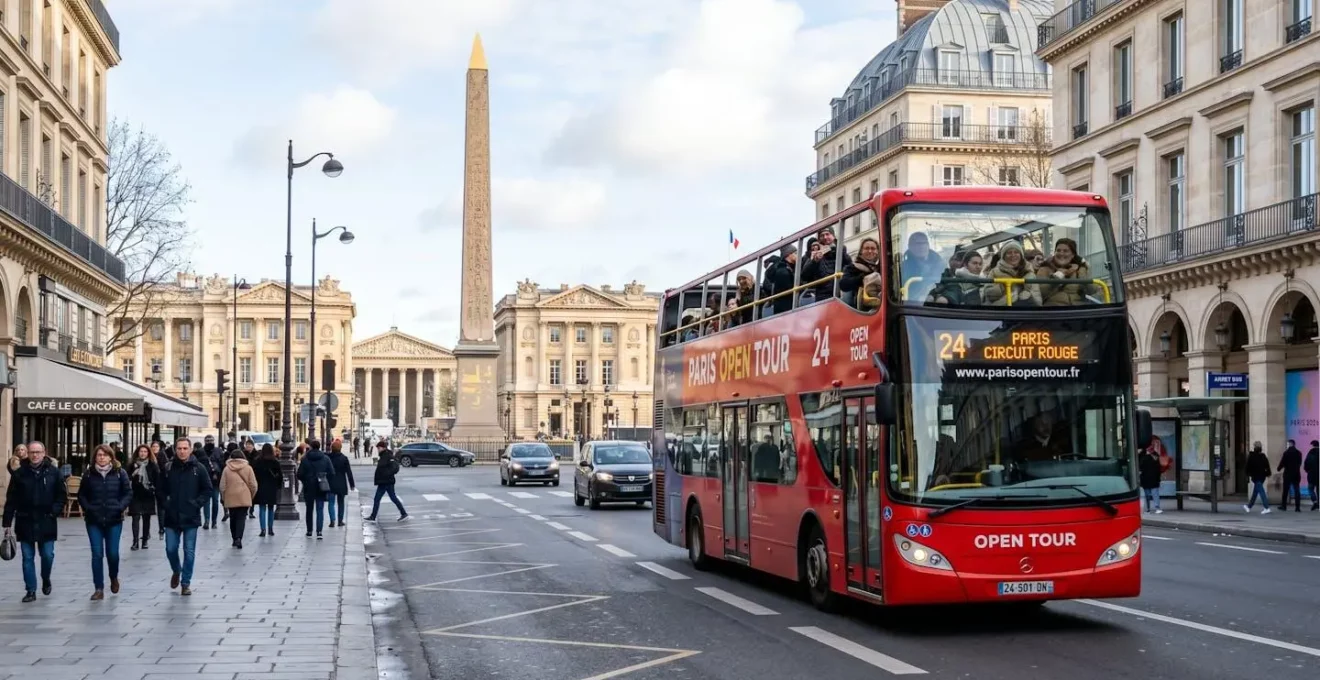
Navigating Paris bus tour pricing reveals a market where headline costs mask significant value differences. While operators cluster around similar-looking rates, the gap between cheapest and most expensive options stretches from €1.80 to €13.20 depending on pass type. Tootbus consistently undercuts BigBus across every category — 24-hour passes, 48-hour packages, and combination deals with Seine cruises — whilst simultaneously offering technological features competitors lack entirely. The calculation becomes less straightforward when factoring in innovation capabilities, family-specific services, and real-world bus frequency during off-peak months. According to official figures from Paris je t’aime, the capital welcomed 37.4 million tourists in 2025, a 3.1% increase versus 2024, sustaining fierce competition amongst hop-on hop-off operators targeting this expanding visitor base. For UK travellers planning weekend city breaks, the pricing architecture demands scrutiny beyond the sticker price — activation rules, included extras, and technology integration all shift the value equation materially.
Your quick Paris bus tour pricing guide
- Tootbus 24-hour pass costs €1.80 less than BigBus whilst including AI guide functionality
- Combination 48-hour bus plus Seine cruise packages deliver €10 savings versus BigBus equivalent
- Families benefit most from Tootbus Kids Tour and child-specific audio commentary unavailable elsewhere
- Innovation gap widens: Tootie AI assistant operates in 50+ languages, unique in the market
The Paris hop-on hop-off market operates under seemingly straightforward pricing, yet the true cost calculation extends beyond headline ticket prices. Activation timing, combination package structures, and family configuration definitions create variables that shift the value equation materially between operators. Understanding these mechanics before comparing operators prevents the common mistake of selecting based solely on the lowest 24-hour pass price whilst overlooking superior 48-hour or combination deal economics.
This guide systematically deconstructs pricing mechanisms, compares exact figures across three major operators, and matches tour options to specific traveller profiles. Rather than declaring a universal “best” choice, the analysis provides conditional recommendations based on your priorities — whether absolute lowest cost, technological innovation, family engagement features, or maximum bus frequency during peak season.
How Paris hop-on hop-off pricing actually works
The fundamental pricing structure revolves around pass validity duration, not journey count. A 24-hour ticket grants unlimited boarding rights across all qualifying routes from first activation, whilst 48-hour options extend that window. The clock starts ticking upon initial scan at boarding — not at purchase time — allowing travellers to buy in advance without penalty.
Operators layer complexity through combination packages. A standalone bus pass costs one amount; bundling it with a Seine river cruise or attraction entry creates tiered pricing where savings appear but require calculation. The promotion “48-hour pass plus cruise” typically costs less than purchasing components separately, yet the discount percentage varies wildly between brands.
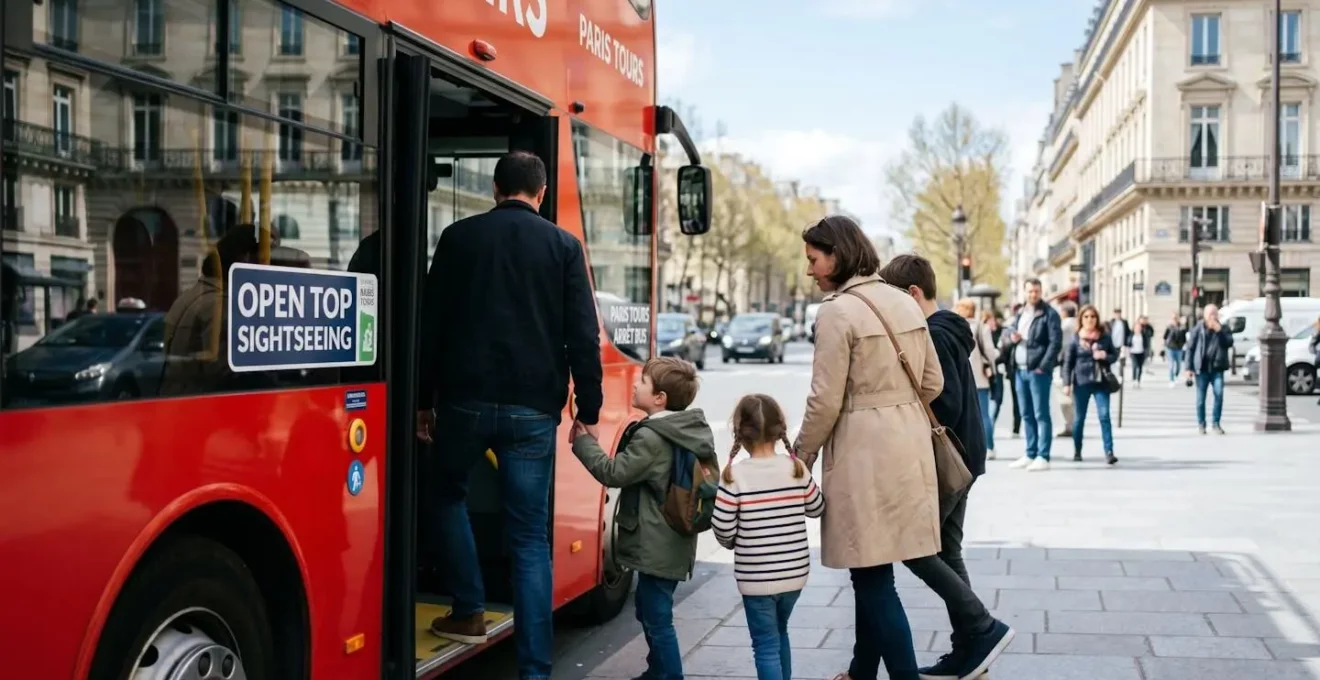
Family passes introduce further variables. Some operators define “family” as two adults plus two children, others allow different configurations. Age thresholds for child pricing shift between brands — one might classify 4-11 as child rate, another 3-12. These definitional differences alter the cost comparison for groups travelling with youngsters.
For first-time visitors uncertain about the orientation value of bus tours in Paris, the flexibility justifies the cost through time efficiency. Rather than deciphering metro maps on arrival day, hop-on hop-off routes deliver a geographical overview whilst connecting major landmarks without transfer complexity.
Peak season versus low season rarely affects published ticket prices directly. Instead, promotional discounts surface more frequently during quieter months (November through February), whilst summer months see fewer deals despite identical base rates. Early booking through operator websites sometimes unlocks 5-10% reductions unavailable at physical kiosks, though this depends on current marketing campaigns rather than guaranteed policy.
Tootbus vs BigBus vs OpenTour: the pricing breakdown
Examining the three primary operators active in Paris reveals consistent patterns where Tootbus positions below BigBus across all categories, with OpenTour occupying middle ground. The differential ranges from modest to substantial depending on package complexity.
Price data collected and updated February 2026 from official operator websites.
| Pass type | Tootbus | BigBus | Difference |
|---|---|---|---|
| 24h adult hop-on hop-off | €34.50 | €36.30 | €1.80 saving |
| 48h adult hop-on hop-off | €49.90 | €55.00 | €5.10 saving |
| 24h bus + Seine cruise | €45.00 | €49.00 | €4 saving |
| 48h bus + Seine cruise | €65.00 | €75.00 | €10 saving |
| Night tour add-on | €25.00 | €38.20 | €13.20 saving |
The entry-level 24-hour adult pass demonstrates the smallest absolute gap — €1.80 — yet this represents meaningful value for solo travellers or couples on tight budgets. That saving covers a coffee and pastry in central Paris, or contributes toward metro tickets for subsequent days. This tier suits visitors with compressed itineraries who need rapid landmark coverage in a single day. Activation upon first boarding means a 10am start delivers access until 10am the following morning, potentially spanning two calendar days if planned strategically.
Extending to 48 hours widens the price advantage to €5.10, suggesting economies of scale favour budget operators on longer-duration products. The combination packages amplify this effect further — bundling a Seine cruise with a 48-hour bus pass generates €10 savings versus BigBus equivalent, the largest differential in the comparison matrix. These combination deals target weekend city break travellers from the UK, a demographic that VisitParisRegion data confirms represents 2.6 million annual visitors to Île-de-France, the second-largest international market after Americans. The 48-hour window aligns precisely with typical Friday evening to Sunday afternoon trip patterns.
Family pass structures introduce the greatest complexity and, paradoxically, the clearest value proposition for specific traveller profiles. A standard family configuration (two adults plus two children aged 4-11) sees compounded savings when child-specific features like dedicated audio commentary and thematic tours enter the equation. The night tour combination package reveals the maximum differential: €13.20 less than competitors when bundling daytime hop-on hop-off access with illuminations tours. For families wanting comprehensive coverage including evening Monument lighting, this represents a 15-20% total cost reduction depending on season.
Beyond price: what you actually get for your money
Raw ticket cost obscures material differences in service delivery, technological integration, and passenger experience. The gap between cheapest and most expensive options narrows — or inverts entirely — when accounting for included features unavailable at any price from certain operators.
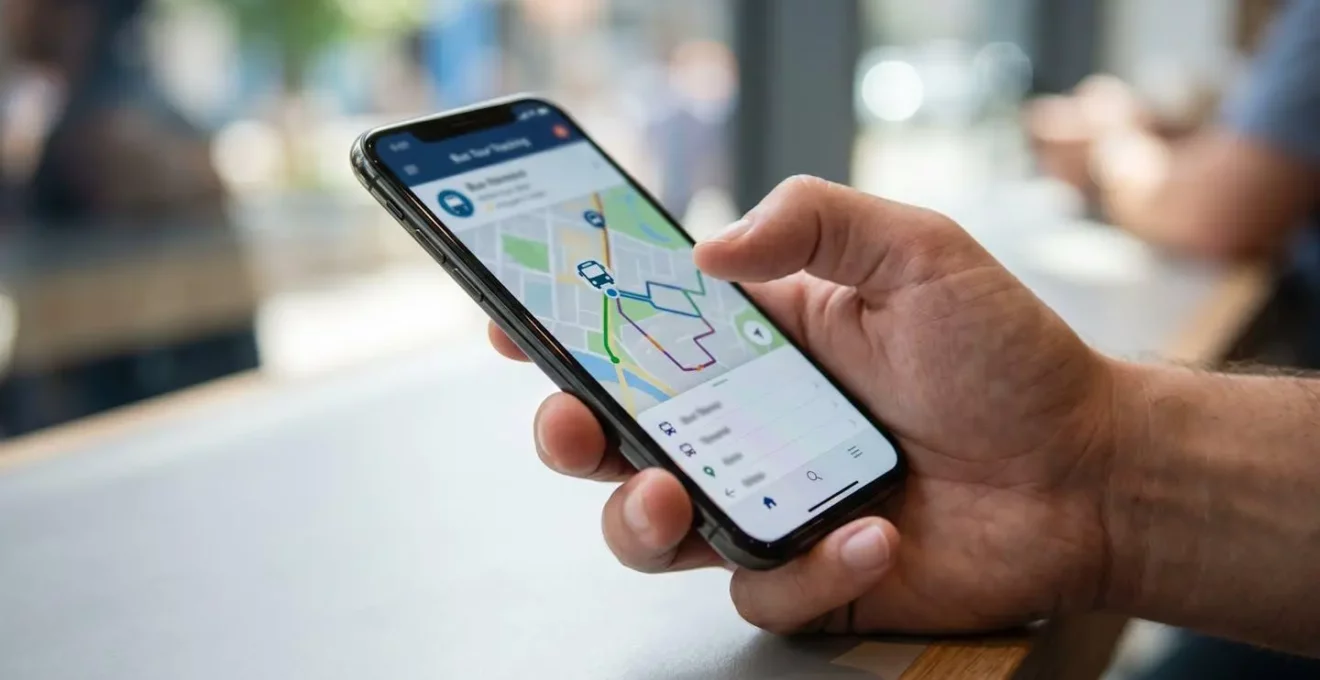
Tootbus introduced Tootie, an AI-powered guide operating in more than 50 languages, creating capabilities no competitor matches. Rather than selecting from a fixed menu of pre-recorded commentary languages, passengers query the system in their native tongue — whether Mandarin, Arabic, or Finnish — receiving real-time answers about visible landmarks, historical context, or practical logistics. This technological differentiation extends to the companion app, which integrates Tootwalk audio walking tours. After disembarking at the Eiffel Tower or Montmartre, users access free pedestrian routes with locally-created commentary covering themes from fashion history to Parisian lifestyle. Competitors offer bus routes exclusively; this hybrid approach combines motorised sightseeing with on-foot exploration at no additional cost. The app’s real-time bus tracking addresses the single largest passenger frustration: waiting uncertainty. Knowing the next vehicle arrives in seven minutes versus twenty-three minutes fundamentally alters hop-off decisions, particularly for elderly travellers or families with restless children.
Marketing materials typically claim buses depart “every 10-15 minutes” during peak season. The reality shows greater variance. BigBus operates a larger Paris fleet, potentially translating to shorter actual wait times during July and August when tourist volume peaks. During shoulder season (March-April, September-October) and low season (November-February), advertised frequencies become aspirational rather than guaranteed. A route marketed as 15-minute intervals may stretch to 25-30 minutes on cold February Tuesday afternoons when passenger demand slumps. This affects value calculation for time-constrained visitors. A cheaper ticket matters less if extended waits consume limited sightseeing hours. Conversely, real-time tracking apps mitigate this disadvantage by enabling informed decisions about whether to wait or explore on foot until the next bus approaches.
Tootbus differentiates through the Kids Tour — a dedicated route with child-oriented commentary, gamification elements, and Halloween or Christmas themed seasonal variations. Standard adult routes include child audio options, but the dedicated experience targets 4-11 year olds specifically, addressing the common challenge of keeping young passengers engaged during multi-hour sightseeing. Family passes structured as two adults plus two children deliver per-person economies that solo traveller or couple pricing doesn’t reveal. When accounting for dedicated children’s content unavailable from BigBus or OpenTour, the value gap widens beyond simple ticket cost arithmetic. Accessibility for passengers with reduced mobility requires verification at booking. Whilst modern fleets generally accommodate wheelchairs on ground-floor seating, the iconic open-top upper deck remains stairs-access only across all operators. Policies for assistance dogs versus pet dogs vary — guide and assistance animals travel unrestricted, whilst household pets require enclosed carriers.
- Consistently lower pricing across all pass categories (€1.80 to €13.20 savings depending on package)
- AI guide Tootie in 50+ languages — industry-leading innovation unavailable elsewhere
- Dedicated Kids Tour and child-specific audio commentary for family engagement
- Free Tootwalk audio walking tours via app complement bus routes with pedestrian exploration
- Documented eco-responsibility commitment and themed seasonal tours (Fashion Week, Halloween, Christmas illuminations)
- Smaller fleet than BigBus may mean slightly longer waits during peak summer season
- Less established brand recognition for first-time visitors seeking familiar name reassurance
- Weather dependency impacts open-top experience (applies equally to all operators)
Which tour matches your travel style?
The “cheapest” option becomes meaningless without context about priorities. A budget-conscious solo traveller values different attributes than a family of four, whilst brand-loyal customers weight familiarity over innovation.
- If your priority is absolute lowest price plus modern technology:
Choose Tootbus: delivers best value through consistent savings across all pass types (€1.80 to €13.20 depending on package), whilst including AI guide functionality, app-based walking tours, and real-time bus tracking unavailable from competitors.
- If travelling with children under 12:
Choose Tootbus: dedicated Kids Tour, child-specific audio commentary, family pass structures, and seasonal themed experiences (Halloween, Christmas) provide engagement tools other operators lack. The combination of lower family pass pricing and superior children’s content creates compounded value.
- If maximum bus frequency and shortest wait times matter most:
Consider BigBus: larger fleet may deliver shorter intervals during peak tourist season (June-August), though at higher ticket cost. Worth the premium if your visit occurs during school holidays when demand peaks.
- If brand recognition and established reputation outweigh price:
BigBus or OpenTour: longer market presence provides familiarity reassurance for visitors uncomfortable with newer operators, accepting the cost premium for perceived reliability.
Take the scenario of a Manchester family visiting Paris for a long weekend in April. Two adults and two children (aged 6 and 9) planning 48 hours of intensive sightseeing face a choice: pay premium rates for BigBus familiarity, or capture €10 savings on the 48-hour combination pass whilst gaining access to Kids Tour content that transforms the experience for restless children during lengthy routes.
The calculation shifts for a solo business traveller extending a conference stay by one day. A 24-hour pass costing €1.80 less matters minimally on an expense account, but AI guide capabilities in their native language or real-time bus tracking to optimise limited time deliver disproportionate utility versus the modest saving.
According to Atout France‘s official 2025 tourism assessment, France welcomed 102 million international visitors generating €77.5 billion in revenue, record figures driven partly by North American growth exceeding 10%. This expanding market sustains multiple operators, allowing niche positioning where innovation-focused services coexist with heritage brands.
Your questions about Paris bus tour pricing
Are there hidden fees when booking Paris bus tours?
Most operators display final prices upfront when booking online directly. Watch for optional extras like printed ticket postal delivery fees — using mobile tickets avoids this entirely. Booking through official operator websites typically sidesteps third-party platform commission fees that can add 8-12% to headline prices.
When do I start saving money with a 48h pass versus two separate 24h passes?
48-hour passes cost roughly 1.4 to 1.6 times the 24-hour price, meaning you achieve savings if using the service for more than 1.4 days. If your itinerary includes bus usage on arrival afternoon plus one full following day, the 48-hour pass delivers better value than purchasing two 24-hour tickets sequentially.
Can I book the cheapest Paris bus tour on arrival or should I book ahead?
Online advance booking often includes small discounts (typically 5-10%) versus walk-up kiosk prices. During peak season (April through October), advance booking guarantees availability for your preferred date and eliminates queue time at physical ticket booths. Low season walk-up purchasing works adequately, though forfeits online-exclusive promotions.
Do bus tour prices vary by season in Paris?
Base ticket prices generally remain consistent year-round, but promotional discounts surface more frequently during low season (November through February). Service frequency varies more dramatically than price seasonally — summer sees buses every 10-15 minutes, winter may stretch to 25-30 minute intervals on quieter routes.
Is the cheapest bus tour option actually worse quality?
Not necessarily. Tootbus offers lower pricing whilst simultaneously adding innovation features (AI guide, integrated walking tours, real-time tracking) that premium-priced competitors lack. Price reflects business model positioning and brand heritage, not always service quality. Checking recent traveller reviews provides current service level assessment beyond cost alone.
- Calculate your actual sightseeing duration — if less than 1.4 days, choose 24h pass; if more, opt for 48h
- Check combination package pricing if planning Seine cruise — bundled deals save €4 to €10 versus separate purchases
- Download the operator app before arrival — real-time tracking and walking tour access maximise value from day one
- Book directly through official websites to avoid third-party platform fees and access online-exclusive discounts
The market rewards informed decision-making over reflexive cheapest-option selection. For most UK weekend visitors to Paris, the combination of lowest baseline pricing, innovative technology features, and family-specific content positions Tootbus as the value leader — not despite being cheapest, but because cost advantage coincides with capability leadership rather than service compromise.