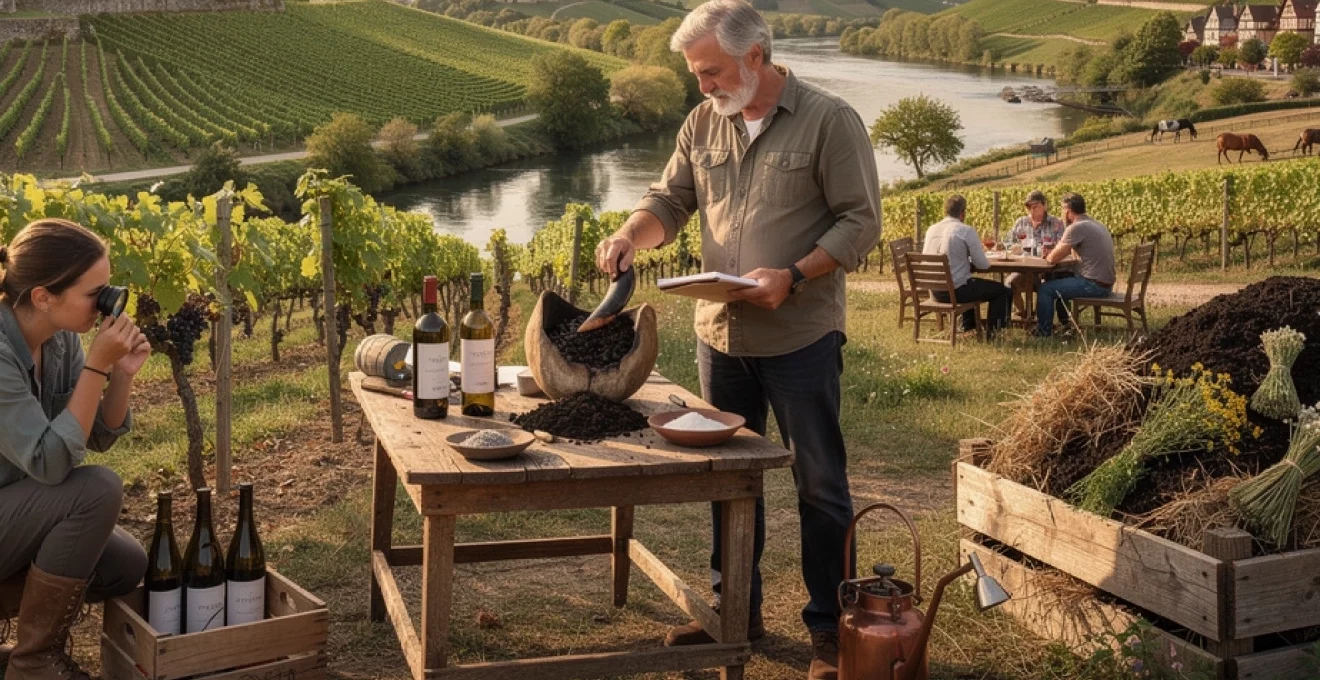
France stands at the forefront of the global organic and biodynamic wine movement, transforming centuries-old viticultural traditions through sustainable practices that honour both terroir and environmental stewardship. From the limestone slopes of Burgundy to the sun-drenched vineyards of Languedoc, French winemakers are increasingly embracing cultivation methods that work in harmony with natural cycles and cosmic rhythms. This shift represents more than a mere trend—it embodies a fundamental reimagining of how fine wine can be produced whilst preserving the delicate ecosystem that makes exceptional terroir possible.
The movement towards organic and biodynamic viticulture in France has accelerated dramatically over the past decade, with certified organic vineyards now covering approximately 112,000 hectares across the country. This transformation has been particularly pronounced in regions like Languedoc-Roussillon, where the Mediterranean climate provides ideal conditions for chemical-free grape growing, and in prestigious appellations like Champagne, where even the most traditional houses are adopting sustainable practices to ensure the longevity of their terroir.
Demeter certification standards and biodynamic viticulture principles
The Demeter certification represents the gold standard for biodynamic agriculture worldwide, requiring adherence to strict protocols that go far beyond conventional organic farming practices. In France, obtaining this coveted orange and green certification demands a minimum three-year conversion period, during which vineyards must demonstrate complete elimination of synthetic chemicals whilst implementing biodynamic preparations and following lunar calendars for all vineyard operations.
Rudolf steiner’s agricultural philosophy and cosmic calendar integration
The foundation of biodynamic viticulture rests upon the revolutionary ideas of Rudolf Steiner, the Austrian philosopher who introduced these concepts in 1924. Steiner’s agricultural philosophy views the farm—or in this case, the vineyard—as a self-sustaining organism that thrives through the dynamic interplay between earthly and cosmic forces. This holistic approach considers not only soil health and plant vitality but also the influence of celestial bodies on agricultural activities.
French biodynamic practitioners meticulously follow the cosmic calendar, scheduling vineyard tasks according to whether the day is classified as a root, leaf, flower, or fruit day. For instance, pruning typically occurs on root days when lunar energy is focused downward, whilst harvesting is preferred on fruit days when the moon’s influence enhances the concentration of flavours in the grapes. This seemingly esoteric practice has gained scientific credibility, with studies indicating measurable differences in grape quality when harvesting aligns with optimal cosmic conditions.
Biodynamic preparations: horn manure 500 and silica 501 applications
The cornerstone of biodynamic vineyard management lies in nine specific preparations, with horn manure 500 and silica 501 being the most fundamental. Preparation 500 involves filling cow horns with fresh manure, burying them in the vineyard soil during autumn, and retrieving them in spring after the organic matter has transformed through winter’s decomposition processes. This preparation is then dynamised—stirred rhythmically for one hour—before being sprayed on the soil to enhance microbial activity and root development.
Silica 501, conversely, utilises ground quartz crystal stored in cow horns buried during summer months. When applied as a fine spray to vine leaves early in the morning, this preparation is believed to enhance photosynthesis and improve the plant’s ability to capture and utilise light energy. French vignerons report that regular application of these preparations results in stronger, more resilient vines capable of expressing terroir characteristics with greater clarity and intensity.
Soil fertility enhancement through composting and herbal preparations
Biodynamic viticulture places extraordinary emphasis on soil health, viewing it as a living ecosystem rather than merely a growing medium. French practitioners create elaborate compost piles incorporating the six herbal preparations (502-507), which include yarrow flowers, chamomile blossoms, stinging nettle, oak bark, dandelion flowers, and valerian juice. These preparations are believed to guide the composting process, creating humus rich in beneficial microorganisms and trace elements
that nourish vine roots. Over time, this approach helps rebuild soil structure, increase water retention, and stimulate deep root systems that are less dependent on irrigation and synthetic fertilisers. Many French estates combine these biodynamic composts with cover crops—such as fava beans, clover, and grasses—sown between the rows to fix nitrogen and prevent erosion. The result is a living, breathing vineyard floor teeming with earthworms, fungi, and bacteria that support healthier vines and more precise terroir expression in organic and biodynamic wines.
Lunar cycles and planetary influences in vineyard management
Beyond compost and preparations, biodynamic viticulture in France closely observes lunar cycles and broader planetary influences when planning work in the vineyard. The biodynamic calendar divides days into four categories—root, leaf, flower, and fruit—based on the moon’s position in the zodiac, with each category corresponding to a different part of the plant. Root days favour operations that affect the underground part of the vine, such as planting and pruning; leaf days are often reserved for irrigation or canopy management; flower days suit minimal intervention and cellar work; and fruit days are prized for harvesting and bottling.
While this may sound mystical at first, many growers compare it to using tides for navigation: the moon’s gravitational pull shapes oceans, so why not plant sap and grape juice? Some leading French estates, from Loire to Bordeaux, report more stable fermentations and more expressive aromatics when they rack or bottle on fruit or flower days. Even major UK retailers have noted that wines often taste more open and vibrant on favourable biodynamic tasting days, prompting them to schedule professional tastings accordingly. Whether you fully embrace the cosmic rationale or not, this disciplined attention to timing encourages vignerons to work more attentively with their vines—and that often translates into greater finesse in the glass.
Terroir expression in french organic wine regions
One of the most compelling arguments for organic and biodynamic viticulture in France is its impact on terroir expression. Without synthetic fertilisers, herbicides, or systemic fungicides masking or homogenising vine responses, each parcel of land can speak with greater clarity. Organic and biodynamic wines often display pronounced minerality, vibrant acidity, and complex aromatics that reflect the specific soils and microclimates in which the grapes were grown. From the marl slopes of the Côte d’Or to the schist terraces of Roussillon, French producers are rediscovering how living soils amplify the identity of their appellations.
This reorientation towards soil and ecosystem health has also encouraged many domaines to vinify individual plots separately, then blend them with greater precision. As a result, consumers now encounter an expanding range of cuvées that highlight single climats, lieux-dits, or soil types, particularly in regions where organic and biodynamic practices are well established. If you are seeking wines that truly taste of place, exploring these sustainable estates offers a rich and increasingly diverse landscape of styles.
Burgundy’s climat system and organic domaine practices
Burgundy, with its intricate climat system, is a natural showcase for organic and biodynamic viticulture. Each climat is a precisely defined vineyard site with its own historical reputation and micro-terroir, and many Burgundian producers have realised that chemical-intensive farming can blur the subtle differences between these parcels. Over the past two decades, a growing number of iconic domaines—from small family holdings to world-famous estates—have converted to organic or biodynamic methods to allow each climat to shine more clearly in their wines.
In practice, this means meticulous manual work in the vines: selective ploughing instead of herbicides, green harvesting to balance yields, and the use of cover crops to manage vigour and erosion on the region’s vulnerable slopes. Some domaines employ horses to plough narrow rows in Grand Cru sites, avoiding the soil compaction caused by tractors. In the cellar, low-intervention techniques such as native yeast fermentations and reduced sulphite additions complement these vineyard efforts, supporting a more transparent expression of Burgundy’s famed Pinot Noir and Chardonnay. When you taste a biodynamic Premier Cru from a single climat, you are effectively tasting the distilled character of that specific patch of limestone, clay, and exposure.
Loire valley biodynamic pioneers: coulée de serrant and nicolas joly
The Loire Valley has become a reference point for biodynamic wine culture, thanks in large part to pioneering figures like Nicolas Joly at Coulée de Serrant. This historic seven-hectare monopole in Savennières has been farmed biodynamically since the early 1980s and is often cited as a benchmark for what biodynamic Chenin Blanc can achieve. Joly’s approach—eschewing synthetic chemicals, following the biodynamic calendar rigorously, and allowing extended lees ageing—aims to translate every nuance of his schist and quartz soils into the wine.
Following his lead, many Loire producers in appellations such as Anjou, Saumur, Touraine, and Vouvray have embraced organic and biodynamic viticulture. You will now find domaines planting hedgerows for biodiversity, using sheep to manage under-vine growth, and experimenting with amphorae or large foudres to preserve freshness and texture. For travellers interested in sustainable wine tourism, estates along the Loire offer everything from vineyard walks and cellar tastings to blending workshops and slow-travel experiences on bikes or boats. These biodynamic Loire wines often combine luminous acidity with layered aromatics—quince, honey, herbs, and wet stone—making them ideal for food pairing and long-term cellaring.
Alsace grand cru vineyards and sustainable viticulture methods
Alsace, long associated with aromatic whites and steep, sunlit slopes, has also become a stronghold of organic and biodynamic viticulture. Many Alsace Grand Cru vineyards—such as Schlossberg, Brand, and Hengst—are now farmed without synthetic inputs, allowing their diverse granite, limestone, and sandstone soils to shape the character of Riesling, Gewurztraminer, and Pinot Gris. Pioneering domaines have shown that careful canopy management, low yields, and healthy soils can deliver both ripeness and tension, even as the climate warms.
Sustainable methods in Alsace often extend beyond the vines themselves. Some estates have built energy-efficient, straw-insulated cellars, installed solar panels, or adopted gravity-flow winery designs to reduce energy consumption. In the vineyards, herbal teas and plant-based infusions help prevent disease, while mixed farming—integrating orchards, woodland, and even beehives—supports local biodiversity. If you visit the Alsace wine route, you will find producers eager to explain how their organic and biodynamic choices influence everything from harvest dates to ageing potential, and why their wines can so vividly reflect each Grand Cru slope.
Languedoc organic cooperatives and natural wine movement
In the south, the vast landscapes of Languedoc-Roussillon have become fertile ground for large-scale organic cooperatives and the thriving natural wine movement. The region’s dry, windy Mediterranean climate naturally limits fungal disease pressure, making it easier to avoid synthetic fungicides. As a result, many cooperatives—once focused on bulk production—have restructured around quality-driven, certified organic wines, offering growers technical support and shared equipment to ease the conversion process. This has dramatically increased the surface area of organic vineyards in the region and made affordable organic wines more accessible to consumers.
Alongside these cooperatives, a dynamic community of small, independent vignerons has embraced both biodynamics and low-intervention cellar practices. These producers often work tiny parcels, ferment with native yeasts, avoid filtration, and use minimal sulphites, creating expressive wines that sit at the intersection of organic, biodynamic, and natural wine. Languedoc labels from appellations like Faugères, Pic St-Loup, and Terrasses du Larzac frequently showcase juicy, sun-ripened fruit balanced by herbal garrigue notes, offering a compelling introduction to sustainable Mediterranean terroirs. For wine lovers interested in experimental cuvées and alternative grape varieties, this region is an exciting playground.
Sulphite management and natural winemaking techniques
As more French producers commit to organic and biodynamic vineyards, many also reassess their approach to sulphite management in the cellar. Sulphur dioxide (SO2) has long been used as an antioxidant and antimicrobial agent, but high levels can mute aromatics and contribute to a perception of hardness in young wines. Organic and biodynamic certifications already impose stricter limits on total sulphite levels than conventional regulations; some natural winemakers choose to go further, vinifying with little or no added sulphites at all. The challenge is to protect the wine from oxidation and spoilage while respecting its natural character.
To achieve this, French estates often adopt a suite of natural winemaking techniques. These include harvesting healthy, ripe grapes by hand; using gravity rather than pumps to move must and wine; fermenting with indigenous yeasts; and controlling temperature carefully to stabilise fermentations. Some producers age wines on their lees to provide natural protection and texture, or use larger, neutral vessels like concrete eggs and old foudres that allow micro-oxygenation without adding oak flavour. For wines labelled as “sans soufre ajouté” (no added sulphites), extremely hygienic cellar practices and careful monitoring are essential. As a consumer, you can expect these low-sulphite wines to be more sensitive to storage conditions but often more vivid, tactile, and expressive when enjoyed in their prime.
Certification bodies: ecocert, AB label, and quality assurance protocols
Navigating labels can be confusing, so understanding France’s main organic certification bodies is key if you want to choose sustainable wines with confidence. The most widely recognised symbol is the green AB (Agriculture Biologique) label, which indicates that grapes are grown according to EU organic regulations: no synthetic herbicides or pesticides, restricted use of copper and sulphur, and strict limits on additives and sulphites in the cellar. The AB logo is often accompanied by the EU organic leaf emblem, giving you a quick visual cue that the wine meets minimum organic standards.
Behind many AB-labelled wines stands Ecocert, one of France’s leading independent certification organisations. Ecocert and similar bodies conduct annual audits, vineyard inspections, and documentation checks to ensure ongoing compliance with organic regulations. For biodynamic wines, certification may also come from Demeter or Biodyvin, which impose additional requirements related to preparations, cosmic calendars, and whole-farm biodiversity. These rigorous quality assurance protocols help prevent “greenwashing” by ensuring that environmental claims on labels are backed by verifiable practices.
It is worth remembering, however, that not all sustainable producers choose to certify. Some small domaines follow organic or biodynamic principles but avoid formal certification due to cost or administrative burden. In those cases, you may see terms like “en conversion biologique” (in organic conversion) or detailed descriptions of vineyard practices on back labels and winery websites. When in doubt, ask questions during tastings or visits—most French vignerons are proud to explain exactly how they farm their vines and why.
Market positioning and consumer trends in french organic wine sector
The rapid growth of organic and biodynamic vineyards in France has reshaped the country’s wine market and consumer expectations. Over the last decade, organic wine sales in France and key export markets such as Germany, Scandinavia, and the UK have risen sharply, with some studies projecting double-digit annual growth. Younger consumers, in particular, often seek wines that align with broader lifestyle choices centred on sustainability, transparency, and health, making organic French wine an increasingly attractive category on restaurant lists and retail shelves.
From a market positioning standpoint, many French estates use organic or biodynamic status not merely as a marketing hook but as a marker of quality and authenticity. In premium segments—Burgundy, Champagne, Rhône, and Bordeaux—sustainable certification can enhance a producer’s reputation and justify slightly higher price points, especially when accompanied by strong critical reviews. In more accessible regions like Languedoc or Southwest France, organic labels often signal good value, offering characterful wines at moderate prices. The result is a segmented yet dynamic organic wine market, where consumers can find everything from everyday bottles to collectible cuvées made with rigorous environmental standards.
Of course, challenges remain. Some consumers still assume that organic wines might be less stable or that biodynamic practices are overly esoteric. Others may be sensitive to price premiums, especially in tougher economic climates. Yet as supermarkets, specialist cavistes, and online retailers expand their organic selections, and as more sommeliers champion these wines by the glass, the perception gap is narrowing. If you are building a wine collection or simply choosing a bottle for dinner, paying attention to organic and biodynamic cues can be an effective way to discover producers who take extraordinary care from vineyard to bottle.
Climate adaptation strategies for sustainable french viticulture
As climate change accelerates, French vineyards—organic, biodynamic, and conventional alike—face new pressures: earlier harvest dates, more frequent heatwaves, erratic rainfall, and increased disease risk. Sustainable viticulture offers a toolkit of climate adaptation strategies that help mitigate these impacts while preserving wine quality. Because organic and biodynamic systems prioritise soil health and biodiversity, they are often better equipped to withstand climatic extremes. Deep-rooted vines in living soils, for instance, can access water reserves more effectively during droughts and recover more quickly after stress.
Across France, producers are experimenting with practical measures that complement their organic and biodynamic commitments. These include planting drought-resistant rootstocks and rediscovering traditional, later-ripening grape varieties; adjusting canopy management to provide more shade to grape clusters; and introducing agroforestry elements—such as trees and hedgerows—to create cooler microclimates and support beneficial insects. In some regions, estates are testing higher-density plantings or north-facing exposures to moderate alcohol levels and retain freshness. Others are investing in rainwater harvesting, more efficient drip irrigation where permitted, or exploring the potential of higher-altitude sites.
Ultimately, the long-term resilience of French wine regions will depend on how successfully they integrate these strategies into a holistic vision of sustainable agriculture. For many vignerons, organic and biodynamic viticulture is no longer just a philosophical choice; it is a pragmatic response to evolving environmental realities. As you explore organic and biodynamic wines from France—whether from Bordeaux, Loire, Alsace, Burgundy, Champagne, or Languedoc—you are tasting not only tradition and terroir, but also the ongoing adaptation of a centuries-old craft to the challenges of the twenty-first century.