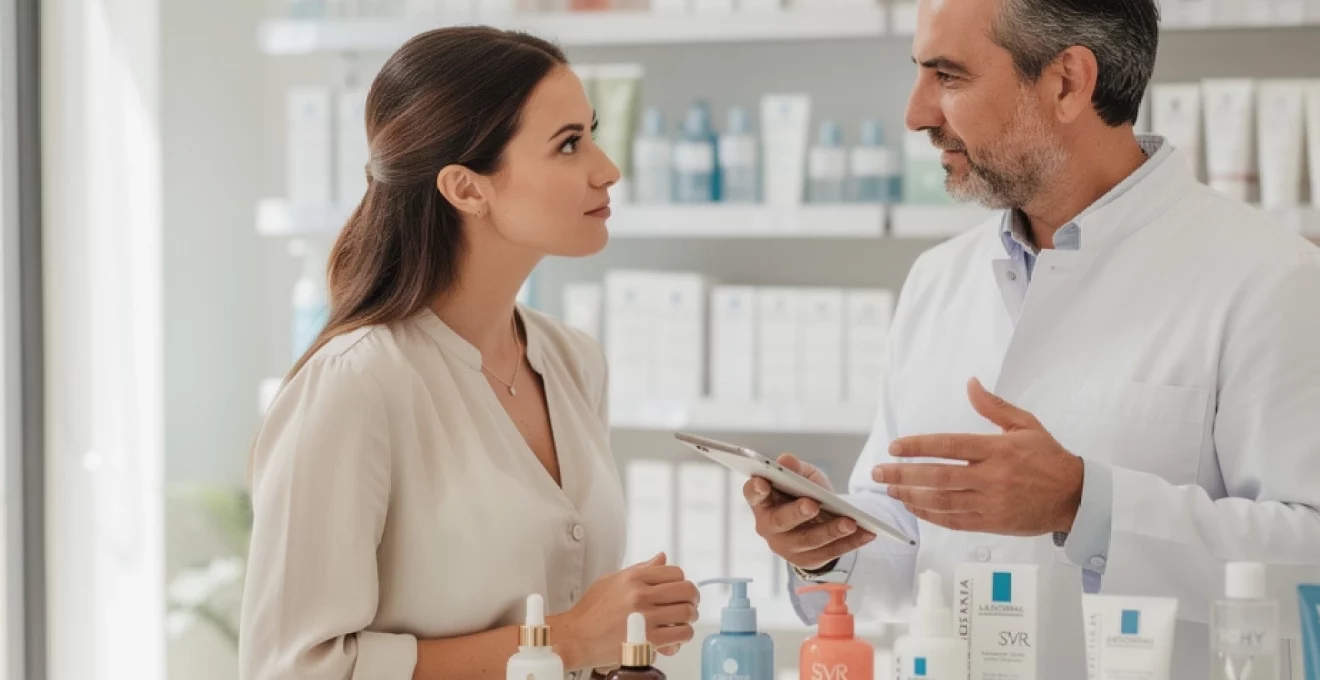
French pharmacies have achieved near-mythical status among skincare enthusiasts worldwide. These unassuming establishments, marked by their distinctive green crosses, house some of the most scientifically advanced, dermatologist-approved beauty products available today. Unlike conventional drugstores, French pharmacies operate under a pharmaceutical framework that ensures every cosmetic product meets rigorous safety and efficacy standards. This unique regulatory environment has created a beauty ecosystem where clinical excellence meets accessibility, attracting millions of beauty tourists to Paris annually. The French pharmacy model represents a fundamental shift in how cosmetics are developed, tested, and distributed—transforming everyday skincare into a medically credible discipline that prioritises skin health over marketing hype.
The regulatory framework behind french pharmacy cosmetics: pharmacovigilance and dermatological testing standards
The French pharmaceutical industry operates under one of the most stringent regulatory frameworks in Europe, overseen by the Agence Nationale de Sécurité du Médicament et des Produits de Santé (ANSM). This governmental body doesn’t merely rubber-stamp products; it enforces comprehensive pharmacovigilance protocols that monitor adverse reactions and ensure ongoing safety surveillance even after products reach pharmacy shelves. Every cosmetic product sold through French pharmacies must demonstrate clinical efficacy through documented trials, creating a barrier to entry that filters out questionable formulations. This regulatory rigour explains why French pharmacy brands consistently outperform conventional cosmetics in independent dermatological studies, with consumer satisfaction rates exceeding 87% across major product categories according to recent European consumer research data.
ANSM certification requirements for cosmeceutical products
The ANSM certification process demands extensive documentation proving both safety and performance claims. Manufacturers must submit complete ingredient lists with concentration percentages, stability testing data spanning at least 12 months, and comprehensive toxicological assessments. Products containing active ingredients above certain concentration thresholds undergo additional scrutiny, requiring clinical trials on human volunteers before approval. This systematic approach ensures that when you pick up a product from a French pharmacy, you’re accessing formulations that have survived scientific examination far more rigorous than standard cosmetic regulations require. The certification process typically spans 18-24 months, reflecting the thoroughness of French pharmaceutical standards.
Hypoallergenic testing protocols and clinical trial methodologies
French pharmacy brands conduct hypoallergenic testing under dermatological and ophthalmological supervision, typically involving panels of 50-100 volunteers with documented sensitive skin conditions. These trials employ standardised patch testing methodologies, measuring trans-epidermal water loss, skin pH changes, and inflammatory markers over extended periods. Products must demonstrate less than 2% adverse reaction rates to earn hypoallergenic status, a significantly more stringent threshold than many international markets require. The methodologies employed mirror pharmaceutical drug testing protocols, treating skincare products with the same scientific seriousness typically reserved for prescription medications.
Pharmaceutical-grade ingredient concentration regulations
France maintains specific concentration limits for active ingredients in over-the-counter cosmeceuticals, balancing efficacy with safety. Retinol derivatives, for instance, are restricted to concentrations that deliver clinical benefits without requiring prescription oversight. These regulations create a sweet spot where products remain accessible yet potent enough to produce measurable results. Pharmaceutical-grade ingredients must meet European Pharmacopoeia standards, ensuring consistent quality and purity levels across production batches. This regulatory attention to ingredient quality explains why French pharmacy products often deliver more predictable results than their international counterparts, even when using similar active ingredients.
Dermatologist prescription systems for active skincare formulations
Certain high-concentration treatments available in French pharmacies require dermatologist prescriptions, creating a two-tiered system that provides professional oversight for potentially irritating formulations. Prescription skincare products often contain retinoid concentrations, acids, or active complexes that exceed over-the-counter thresholds, offering solutions for stubborn dermatological concerns. This system enables French dermatologists to recommend pharmacy-grade alternatives to expensive cosmetic treatments, making advanced skincare accessible to patients across socioeconomic backgrounds. The prescription model also generates valuable post-market surveillance data, as dermatologists report outcomes and adverse reactions, continuously refining product safety profiles.
Cult-status brands exclusive to french pharmacies: la Roche-Posay, avène, and bioderma
Within this tightly regulated ecosystem, a handful of French pharmacy brands have achieved genuine cult status. Names like La Roche-Posay, Avène, Bioderma, and Embryolisse are not niche insider secrets anymore; they are global reference points for effective, gentle skincare. What sets these brands apart is not glossy marketing but decades of dermatological research, thermal spring water technology, and biomimetic formulations designed to respect even the most reactive skin. When you walk into a French pharmacy, these ranges form the backbone of what many dermatologists call “intelligent skincare” – products that work with your skin barrier instead of against it.
La Roche-Posay cicaplast baume B5: thermal spring water technology
La Roche-Posay’s Cicaplast Baume B5 is often described as a “skin SOS” product, and for good reason. This multi-repair balm combines panthenol (vitamin B5), madecassoside, and a copper-zinc-manganese complex within a base rich in La Roche-Posay thermal spring water. This water is naturally enriched with selenium, a powerful antioxidant trace element that helps soothe irritation and support the skin’s natural defenses. The result is a formula that calms redness, accelerates barrier repair, and can be used on everything from post-procedure skin to chapped lips and dry patches.
What makes Cicaplast Baume B5 stand out in the crowded “healing balm” category is its balance of occlusive and breathable components. The texture forms a protective film without suffocating the skin, reducing the risk of clogged pores or miliaria. For anyone dealing with over-exfoliation, retinoid dryness, or sensitised skin from harsh climates, keeping a tube of Cicaplast at home is the skincare equivalent of having a well-stocked first aid kit. You can apply a thin layer as a targeted treatment or a thicker coat as an overnight mask on compromised areas.
Avène thermal spring water spray: prebiotic and Anti-Inflammatory properties
At first glance, Avène’s Thermal Spring Water Spray looks deceptively simple – just water in an aerosol can. Yet behind this minimalist appearance lies over 150 clinical studies documenting its soothing, anti-inflammatory, and prebiotic properties. The water is naturally low in mineral content but rich in specific trace elements and microbial diversity, including the now well-studied Aquaphilus dolomiae bacterium, which produces postbiotic substances with calming effects on the skin. This unique composition has been shown to reduce itching, erythema, and discomfort in conditions such as atopic dermatitis and post-laser irritation.
From a practical standpoint, the spray is a versatile tool in any skincare routine. You can use it to calm the skin after cleansing, to reduce the sting of active ingredients like retinoids or acids, or even to refresh the skin during long flights and heatwaves. Think of it as a “reset button” for irritated skin: a few fine mists can help rebalance pH and reduce inflammation without introducing fragrances or potential irritants. For sensitive or redness-prone skin, pairing Avène Thermal Spring Water with a barrier cream often results in visibly calmer, more resilient skin over time.
Bioderma sensibio H2O micellar water: biomimetic cleansing technology
Bioderma Sensibio H2O has become a global icon, but its technology remains firmly rooted in French pharmacy science. Unlike traditional cleansers that rely on harsh surfactants, Sensibio H2O uses micelles – microscopic lipid spheres – that are biomimetic, meaning their structure closely resembles the natural lipids in the skin. These micelles attract oil, makeup, and impurities like a magnet, lifting them away without stripping the skin barrier. The formula is isotonic and designed to match the skin’s natural biological balance, which is why it is so well tolerated even around the eyes.
For anyone wondering whether a micellar water can replace a full cleansing routine, the answer depends on your skin type and lifestyle. On heavy makeup days, Sensibio H2O works best as a first cleanse before a gentle gel or milk cleanser. On low-makeup or sunscreen-only days, it can serve as a stand-alone cleanser, especially for sensitive or reactive skin that struggles with tap water. The fact that countless makeup artists and dermatologists rely on it daily speaks volumes: it is reliable, fast, and leaves the skin calm rather than tight or squeaky.
Embryolisse Lait-Crème concentré: multi-functional emulsion science
Embryolisse Lait-Crème Concentré is a quintessential example of French pharmacy minimalism: a short ingredient list, a rich yet elegant texture, and multi-functionality baked into the formula. At its core, this emulsion blends shea butter, beeswax, aloe vera, and soy proteins to create a cream that can act as a moisturiser, nourishing mask, makeup primer, and even a gentle cleansing milk when removed with a cotton pad. The emulsion structure mimics the skin’s hydrolipidic film, helping to restore suppleness without feeling heavy or greasy.
From a formulation perspective, Lait-Crème Concentré is interesting because it relies more on emollients and humectants than on trendy actives. It is less about transforming the skin overnight and more about providing consistent comfort and barrier support – a philosophy that underpins many French pharmacy favourites. If you have normal to dry or dehydrated skin and prefer a streamlined routine, you can use Embryolisse morning and night, simply adjusting the amount based on season and skin needs. Paired with a high-quality French pharmacy sunscreen, it forms a simple yet highly effective skincare protocol.
Active ingredient formulations: retinoids, niacinamide, and dermatological acids
Beyond soothing balms and gentle cleansers, French pharmacies excel in active ingredient formulations that bridge the gap between cosmetics and dermatology. Retinoids, niacinamide, and exfoliating acids are not marketed as magical cures but as tools with clearly defined concentration ranges and usage guidelines. This scientific transparency helps you build routines that target concerns like ageing, acne, and dullness without compromising your skin barrier. The key difference? In a French pharmacy, high-performance skincare is presented less as a trend and more as a treatment strategy.
Pharmaceutical retinol derivatives in avène RetrinAL and A-Oxitive lines
Avène’s approach to retinoids illustrates the French pharmacy philosophy perfectly. Instead of relying on pure retinol alone, the RetrinAL range uses retinaldehyde, a vitamin A derivative that is one metabolic step away from retinoic acid. Clinical studies have shown that retinaldehyde can be up to 11 times more effective than retinol, while often causing less irritation when formulated correctly. In RetrinAL 0.1 Intensive Cream, this active is combined with Avène Thermal Spring Water and soothing ingredients to minimise the classic side effects of retinoids such as redness and flaking.
The A-Oxitive line, on the other hand, focuses on prevention and early signs of ageing. Using encapsulated retinyl palmitate and stabilised vitamin C, it delivers antioxidant protection and gentle cell renewal suitable for younger or more sensitive skin. Think of RetrinAL as the “treatment phase” and A-Oxitive as the “prevention phase” in a French pharmacy anti-ageing routine. If you are new to retinoids, starting with A-Oxitive and then progressing to RetrinAL allows your skin to adapt gradually, reducing the risk of irritation.
High-concentration niacinamide serums from SVR sebiaclear range
Niacinamide has become a global star ingredient, but French pharmacy brands like SVR were early adopters, particularly for oily and acne-prone skin. The Sebiaclear range incorporates niacinamide at targeted concentrations (often around 4–10%) alongside gluconolactone and salicylic acid to address excess sebum, inflammation, and post-acne marks. Niacinamide’s ability to regulate oil production, strengthen the skin barrier, and reduce redness makes it an ideal “anchor” ingredient in treatment serums.
SVR’s formulations are also notable for their sensorial elegance – gels and fluids that feel light yet hydrating, ideal for humid climates or combination skin. If you are navigating breakouts but also worried about dehydration or sensitivity, a niacinamide-focused serum from the Sebiaclear line can slot between a gentle cleanser and a non-comedogenic moisturiser. Over time, users often report fewer inflammatory lesions and a more even skin tone, without the dryness that stronger acne treatments sometimes cause.
AHA and BHA exfoliating treatments in ducray keracnyl collection
Exfoliating acids are another area where French pharmacy skincare strikes a careful balance between potency and tolerability. The Ducray Keracnyl line, designed for acne-prone skin, combines AHAs (like glycolic acid) and BHAs (like salicylic acid) in controlled concentrations. These acids work synergistically: AHAs dissolve the bonds between dead skin cells on the surface, while BHAs penetrate into pores to dissolve excess sebum and debris. Used correctly, this chemical exfoliation can significantly reduce comedones and improve overall texture.
However, as with any acids, application strategy matters. French dermatologists often recommend starting with Keracnyl exfoliating treatments only a few times per week, then increasing frequency as tolerated. Think of acids as a “scalpel” rather than a “sledgehammer”: precise, targeted use achieves better results than daily overuse. Pairing these products with a barrier-repair cream and high-SPF sunscreen is essential, since freshly exfoliated skin is more photosensitive and vulnerable if left unprotected.
Stabilised vitamin C formulations in caudalie vinoperfect radiance serum
Vitamin C is notoriously unstable, oxidising quickly when exposed to light, heat, or air. Caudalie’s Vinoperfect Radiance Serum tackles this challenge with a cocktail approach that includes stabilised vitamin C derivatives and viniferine – a patented compound derived from grapevine sap. According to Caudalie’s internal studies, viniferine is up to 62 times more effective than vitamin C in reducing dark spots, while also offering antioxidant protection. Combined, these ingredients target pigmentation, boost radiance, and protect against free radical damage from pollution and UV exposure.
From a user perspective, the Vinoperfect serum stands out for its lightweight, milky texture that layers well under other products, including sunscreen and makeup. It is particularly popular among those dealing with melasma, post-inflammatory hyperpigmentation, or general dullness. To maximise results, consistency is key: applying a few drops morning and evening, then sealing in with a moisturiser and daily SPF, often yields visible improvement in brightness after 6–8 weeks.
Targeted dermatological solutions: acne, rosacea, and hyperpigmentation treatments
One of the main reasons French pharmacies feel like a beauty lover’s paradise is their focus on targeted dermatological solutions. Instead of one-size-fits-all promises, you will find clearly segmentated ranges for acne, rosacea, hyperpigmentation, and sensitive or atopic skin. Many of these products are co-developed with dermatologists and tested on patients with the relevant conditions, so the claims are grounded in real clinical data rather than marketing copy. If you walk in with a specific concern, there is almost always a pharmacy-grade protocol waiting for you.
Effaclar duo+ from la Roche-Posay: procerad and niacinamide for acne-prone skin
Effaclar Duo+ has earned its reputation as a staple for acne-prone skin, thanks to a carefully calibrated blend of active ingredients. The formula includes niacinamide to calm inflammation, salicylic acid and LHA (lipo-hydroxy acid) for gentle exfoliation, and Procerad – a patented ceramide designed to prevent post-acne red and brown marks. This combination tackles multiple stages of the acne cycle: from clogged pores and inflammation to the lingering pigmentation that often follows a breakout.
Unlike many traditional acne treatments that rely heavily on drying alcohols or high-level benzoyl peroxide, Effaclar Duo+ is designed to be used over the entire face as a daily treatment. Its gel-cream texture absorbs quickly and sits well under makeup, making it easy to integrate into a morning or evening routine. For persistent or severe acne, dermatologists may pair it with prescription treatments, but for mild to moderate cases, consistent use of Effaclar Duo+ alone can significantly reduce both active blemishes and the marks they leave behind.
Roséliane range by uriage: anti-redness complex for rosacea management
Rosacea and chronic redness require a different strategy: one focused on calming inflammation, strengthening fragile capillaries, and protecting the skin from environmental triggers. Uriage’s Roséliane range was created specifically with these needs in mind. The formulas often include ingredients like ginseng and red algae extracts to support microcirculation, combined with Uriage thermal water for its soothing and isotonic properties. An “anti-redness complex” works to reduce visible flushing over time while reinforcing the skin barrier.
Managing rosacea is not about erasing every visible vessel overnight, but about reducing flare-ups and discomfort over the long term. With Roséliane, typical routines involve a gentle cleansing fluid, an anti-redness cream, and broad-spectrum sunscreen. Many patients report reduced stinging and a more even tone after several weeks of consistent use. Of course, triggers like heat, alcohol, and spicy foods still need to be managed, but having a pharmacy-grade skincare protocol makes daily life with rosacea considerably more comfortable.
Pigmentclar by la Roche-Posay: PhE-Resorcinol and ginkgo extract for dark spots
Hyperpigmentation is a complex issue influenced by UV exposure, hormones, genetics, and inflammation. La Roche-Posay’s Pigmentclar line targets this with a multi-pronged approach. PhE-Resorcinol, a potent yet well-tolerated depigmenting molecule, works to inhibit melanin production at the source, while ginkgo extract and ferulic acid provide antioxidant support to combat oxidative stress. In some formulas, LHA is added for gentle micro-exfoliation, helping to accelerate the fading of existing spots.
Because dark spots often take months to form, they also take time to fade. Pigmentclar products are therefore designed for sustained use, typically over 12 weeks or more, in combination with stringent photoprotection. Applying a Pigmentclar serum or cream to affected areas morning and evening, followed by a high SPF sunscreen, mirrors the protocols used in dermatology clinics. This disciplined, treatment-style approach is characteristic of French pharmacy skincare, where patience and consistency are emphasised over quick fixes.
Vichy idéalia serum: LR2412 polyphenol technology for uneven skin tone
Vichy’s Idéalia Serum focuses on early signs of ageing and lifestyle-related dullness – think pollution, stress, and lack of sleep. Its signature ingredient, LR2412, is a derivative of jasmonic acid inspired by plant defence mechanisms. In plants, jasmonic acid helps repair tissue damage; in skincare, LR2412 is designed to stimulate epidermal renewal and improve texture. Coupled with antioxidant polyphenols derived from fermented black tea, the serum targets uneven tone, fine lines, and loss of radiance.
Idéalia is particularly well suited to those who may not yet need intensive anti-ageing treatments but want to restore a fresh, rested look to the skin. The texture is light and slightly luminous, giving an immediate cosmetic glow while the actives work in the background over weeks. Used under a moisturiser and sunscreen in the morning, it can be part of a preventative “urban defence” routine that shields the skin from the cumulative effects of city living.
Sun protection innovation: photostable UVA/UVB filters and antioxidant shield technology
No discussion of French pharmacy skincare would be complete without addressing sun protection. French dermatologists have long been at the forefront of photoageing research, and the country’s regulatory framework for sunscreens is among the strictest in the world. As a result, French pharmacy shelves are filled with photostable SPF formulas that combine advanced chemical filters, mineral screens, and antioxidant complexes. The textures are often impressively elegant – a far cry from the heavy, chalky sunscreens many of us grew up with – which makes daily use far more realistic.
Anthelios by la Roche-Posay: mexoplex XL and thermal water SPF systems
La Roche-Posay’s Anthelios line is widely regarded as a gold standard in everyday sun protection. At its core is the Mexoplex (or Mexoryl-based) filter system, which includes patented molecules like Mexoryl SX and Mexoryl XL. These filters provide broad-spectrum coverage, especially in the UVA range that is responsible for premature ageing and some types of skin cancer. Crucially, they are highly photostable, meaning they do not degrade rapidly in sunlight, so the protection remains reliable for longer between applications.
In addition to filters, Anthelios formulas incorporate La Roche-Posay thermal spring water for its soothing, antioxidant properties, which is particularly beneficial for sensitive or sun-intolerant skin. The range includes fluid textures for oily skin, comfort creams for dry skin, and tinted options for those who prefer sheer coverage. This variety encourages daily sunscreen use – the single most effective anti-ageing and anti-hyperpigmentation step you can take – by eliminating the usual excuses about texture, white cast, or pilling under makeup.
Bioderma photoderm MAX: cellular bioprotection patent
Bioderma’s Photoderm MAX line goes beyond surface-level UV filtering with its Cellular Bioprotection technology. While traditional sunscreens focus on preventing burns, Cellular Bioprotection aims to protect the skin’s cellular DNA and natural antioxidant defences. The patented complex works by boosting the expression of certain protective enzymes and preserving Langerhans cells, which play a key role in immune surveillance in the skin. In practical terms, this translates into better protection against long-term photoageing and potentially reduced risk of UV-induced cellular damage.
For everyday users, what you will notice is that Photoderm MAX products combine high SPF (often 50+) with comfortable textures suitable for different skin types. There are sprays, creams, and non-greasy fluids, many of which are water-resistant and fragrance-free. This makes them ideal not only for beach holidays but also for regular city use, especially if you have a history of sun sensitivity or pigmentation disorders. Applying Photoderm liberally and reapplying every two hours during intense exposure can dramatically lower cumulative UV damage over a lifetime.
Avène very high protection SPF 50+: TriAsorB technology
Avène’s Very High Protection SPF 50+ range showcases another breakthrough: TriAsorB technology. This new-generation filter system is designed to cover not just UVB and short UVA rays but also long UVA and a portion of blue light emitted by screens and LED lighting. Given emerging research linking high-energy visible light to pigmentation and oxidative stress, this extended protection is increasingly relevant for those who spend long hours indoors or in front of digital devices.
As always with Avène, the formulas are built around their thermal spring water, making them particularly suitable for intolerant or atopic skin. Textures are non-sticky, and many products are fragrance-free and water-resistant, which is helpful if your skin tends to sting or flush with conventional sunscreens. When you combine TriAsorB technology with daily use, you are not just preventing sunburn; you are actively investing in the long-term health and resilience of your skin.
The pharmaco-economic model: price accessibility and social security reimbursement systems
One understated reason French pharmacies feel so unique is their pharmaco-economic model, which blends accessibility with medical oversight. Many dermatological treatments, especially for chronic conditions like eczema, psoriasis, or severe acne, are partially reimbursed by the French national health insurance system when prescribed by a doctor. This means that high-quality, research-backed skincare is not reserved for a privileged few but integrated into mainstream healthcare. The result is a population more educated about skin health and more likely to use effective, evidence-based products.
Even for non-reimbursed cosmetics, pricing is often surprisingly reasonable compared to equivalent products sold in department stores or luxury boutiques. Because these brands distribute largely through pharmacy channels and invest heavily in research rather than celebrity endorsements, margins can remain relatively modest. Tourists often notice that iconic products like micellar waters, thermal sprays, and barrier creams are significantly cheaper in France than in their home countries. Combined with frequent promotions and value sets, this makes building a complete, dermatology-grade routine far more attainable.
Expert consultation services: in-pharmacy dermatological advice and personalised skincare protocols
Finally, the human element is what truly transforms French pharmacies into a beauty lover’s paradise. Pharmacists in France receive extensive training not only in medications but also in dermo-cosmetics, allowing them to give personalised, medically informed skincare advice on the spot. In busy urban pharmacies, you will often find dedicated skincare corners staffed by advisors who can analyse your skin type, listen to your concerns, and guide you through product ranges from La Roche-Posay, Avène, Bioderma, Vichy, and others. It is the closest many people come to a mini dermatology consultation without an appointment.
These expert consultations often result in tailored skincare protocols that resemble treatment plans rather than ad hoc product picks. For example, a pharmacist might suggest a gentle micellar water, a specific active serum (retinoid, niacinamide, or vitamin C), a barrier-repair cream, and a high-SPF sunscreen – all selected according to your skin condition, age, and budget. Because their role is regulated and tied to public health outcomes, pharmacists are incentivised to recommend what works, not what is trendiest. For anyone serious about improving their skin, this combination of scientific products, robust regulation, and accessible expertise is precisely why French pharmacies remain an enduring benchmark in the global beauty landscape.