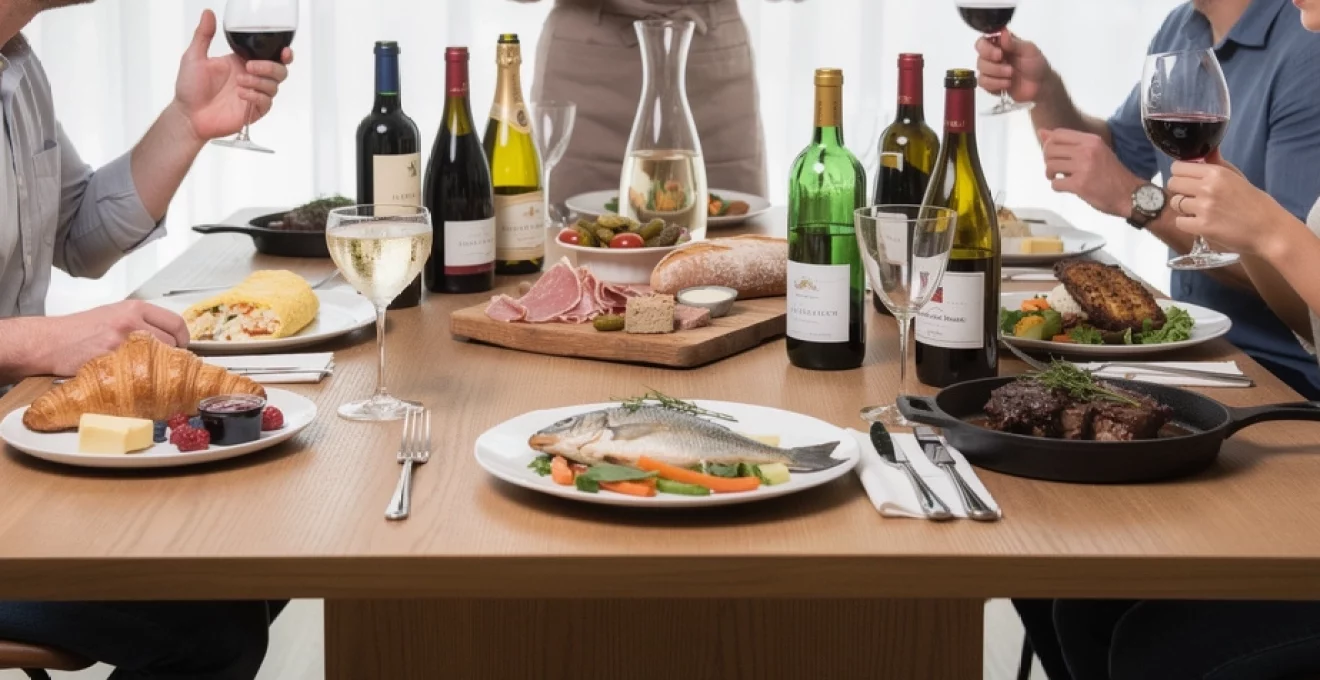
French wine represents centuries of viticultural mastery, offering an extraordinary range of flavours and styles that can elevate any dining experience. From the prestigious châteaux of Bordeaux to the intimate domaines of Burgundy, French winemakers have perfected the art of expressing terroir through grape varietals. The beauty of French wine lies not only in its complexity but in its remarkable versatility for everyday meal pairing. Unlike the intimidating world of haute cuisine wine selections, incorporating French wines into daily dining requires understanding fundamental principles rather than memorising extensive pairing charts. This approach transforms routine meals into memorable culinary experiences whilst respecting both the wine’s character and the food’s natural flavours.
Understanding french wine classifications and terroir characteristics
French wine classification systems provide essential framework for understanding quality levels and regional characteristics. The hierarchical structure guides consumers towards wines that reflect specific geographical origins and production standards. This knowledge proves invaluable when selecting wines for everyday consumption, as it reveals the relationship between price, quality, and stylistic expectations.
AOC classification system and regional designations
The Appellation d’Origine Contrôlée system represents France’s most prestigious wine classification, guaranteeing geographical authenticity and production standards. AOC wines must adhere to strict regulations regarding grape varieties, vineyard locations, winemaking techniques, and alcohol content. These requirements ensure consistent quality and regional character, making AOC selections reliable choices for food pairing. Regional designations within the AOC framework offer varying levels of specificity, from broad regional appellations to village-level classifications that reflect local terroir nuances.
Understanding these designations helps identify wines suitable for different meal occasions and budgets. Village-level appellations often provide excellent value whilst maintaining distinctive regional characteristics. The classification system also includes Vin de Pays and Vin de France categories, which offer greater flexibility in grape selection and winemaking approaches whilst maintaining quality standards.
Bordeaux left bank cabernet sauvignon profiles
Bordeaux Left Bank appellations produce some of France’s most structured and age-worthy red wines, dominated by Cabernet Sauvignon blends. The gravelly soils of Médoc and Graves regions impart distinctive mineral characteristics whilst promoting excellent drainage for optimal grape ripening. These wines typically display firm tannin structures, concentrated fruit flavours, and remarkable longevity, making them ideal partners for substantial protein dishes.
Cabernet Sauvignon-based blends from appellations like Saint-Julien, Pauillac, and Saint-Estèphe offer varying intensities and flavour profiles. Saint-Julien wines tend towards elegance and finesse, whilst Pauillac expressions showcase power and concentration. These characteristics directly influence pairing potential, with more structured wines complementing richer, more flavourful dishes.
Burgundy pinot noir terroir expression
Burgundy Pinot Noir demonstrates remarkable terroir sensitivity, with individual vineyard sites producing distinctly different wine profiles despite identical grape varieties. The limestone-rich soils and continental climate create ideal conditions for expressing subtle terroir differences through wine character. This sensitivity results in wines ranging from light and ethereal to rich and powerful, depending on vineyard location and winemaker interpretation.
Village-level Burgundies offer accessible entry points into regional styles whilst maintaining terroir authenticity. Gevrey-Chambertin tends towards power and structure, whilst Volnay emphasises elegance and finesse. These stylistic differences provide diverse pairing opportunities for various protein types and cooking methods, making Burgundy Pinot Noir exceptionally versatile for everyday dining.
Loire valley sauvignon blanc and chenin blanc distinctions
Loire Valley white wines showcase remarkable diversity through two primary grape varieties: Sauvignon Blanc and Chenin Blanc. Sauvignon Blanc expressions from Sancerre and Pouilly-Fumé display mineral-driven profiles with citrus and herbaceous notes, whilst Touraine examples emphasise fruit-forward characteristics. These stylistic variations reflect terroir differences and winemaking approaches, creating distinct pairing possibilities.
Chenin Blanc demonstrates exceptional versatility, producing styles ranging from bone-dry to l
Chenin Blanc demonstrates exceptional versatility, producing styles ranging from bone-dry to lusciously sweet, as well as outstanding sparkling wines. Dry Anjou and Savennières tend to be structured, mineral and gastronomic, ideal for savoury dishes, while Vouvray can span from off-dry to dessert-level sweetness. For everyday meals, recognising whether your Chenin Blanc is dry, demi-sec or moelleux helps you choose between pairing it with roasted poultry, creamy cheeses or fruit-based desserts. Understanding these Loire Valley distinctions simplifies French wine pairing, allowing you to match wine sweetness, acidity and body with the character of your daily cooking.
Fundamental wine and food pairing principles for daily dining
Beyond regional differences, successful French wine pairing for everyday meals relies on a few technical principles. Rather than memorising dozens of rules, focusing on tannins, acidity, flavour intensity and serving temperature makes decision-making much easier. You can think of these factors as four dials you adjust to keep food and wine in balance. Once you understand how each dial works, choosing a bottle for roast chicken, pasta, salads or cheese becomes straightforward, even on a busy weeknight.
Tannin structure matching with protein density
Tannins are natural compounds in grape skins, seeds and oak that create a drying sensation on your gums. In French reds like Bordeaux, Madiran or some Cahors, tannins can be firm and structured, whereas in Beaujolais or lighter Bourgogne Pinot Noir they are softer and more delicate. Tannins bind with proteins and fats, which is why full-bodied red wines pair so well with protein-dense, fatty dishes such as steak, duck confit or slow-cooked lamb. When you match tannin structure to protein density, the wine’s astringency softens, and both food and wine taste more harmonious.
For everyday meals, this means reserving your more powerful Left Bank Bordeaux or robust Languedoc reds for dishes with substantial protein and fat. A grilled rib-eye, côte de boeuf or rich beef stew can handle high-tannin wines, while leaner proteins such as turkey breast, simple roast chicken or pork tenderloin fare better with softer tannins from a Loire Cabernet Franc, Beaujolais-Villages or basic Bourgogne Rouge. If you serve a highly tannic wine with a very light dish, the tannins can seem harsh and bitter, overwhelming subtle flavours and making the meal less enjoyable.
Acidity balance and fat content interactions
Acidity is the backbone of most French wines, especially whites from regions like Loire, Chablis and Alsace, and many cool-climate reds. A wine with good acidity feels fresh and mouth-watering, much like a squeeze of lemon on food. In pairing, acidity plays a crucial role in cutting through fat and richness, refreshing your palate between bites. This is why crisp Sauvignon Blanc from Sancerre works so well with goat cheese, or why Champagne is outstanding with fried foods and creamy dishes.
When planning everyday meals, think of high-acid wines as your go-to partners for creamy sauces, cheese-heavy recipes and richer cuts of meat. A simple pasta with cream and mushrooms, for example, finds balance with a lively Mâconnais Chardonnay or a dry Vouvray. Conversely, if both food and wine lack acidity—a creamy gratin with a very soft, low-acid white—the combination can feel heavy and flat. Aim for the wine to have equal or slightly higher acidity than the dish; this keeps flavours bright and prevents the pairing from seeming dull or cloying.
Flavour intensity calibration techniques
Aligning flavour intensity is one of the simplest yet most overlooked pairing techniques. Light, delicately flavoured dishes—such as a herb omelette, poached white fish or a basic green salad—pair best with wines of moderate intensity like Muscadet, basic Bourgogne Chardonnay or a young Beaujolais. Powerful, aromatic wines such as Châteauneuf-du-Pape, Bandol or aromatic Alsace Gewurztraminer need dishes with corresponding depth, for example slow-braised meats, game or highly spiced recipes. If the wine’s flavour intensity greatly exceeds the dish, the food can seem bland; if the food is much stronger, the wine risks tasting thin and muted.
A practical way to calibrate intensity is to consider cooking methods and sauces. Grilling, roasting and braising concentrate flavours, calling for fuller-bodied reds or richer whites, while steaming, poaching and light sautés usually suit leaner, fresher wines. Ask yourself: does this dish taste light, medium or powerful? Then select a French wine whose typical profile matches that level. Over time, you will intuitively know that a rustic cassoulet needs something bigger than a simple bistro salad with goat cheese and walnuts.
Temperature serving protocols for optimal taste harmony
Serving temperature directly affects how a French wine behaves alongside food. Too cold, and aromatic complexity and texture are muted; too warm, and alcohol seems dominant and the wine can feel heavy. As a rule of thumb, light and crisp whites like Muscadet, Sancerre or basic Crémant show best around 8–10°C, while fuller-bodied whites such as white Burgundy or rich Rhône whites are more expressive a bit warmer, around 11–13°C. Light reds like Beaujolais or Loire Cabernet Franc benefit from a slight chill at 13–15°C, whereas structured Bordeaux or southern Rhône reds are ideal around 16–18°C.
For everyday meals, you do not need a thermometer; simple adjustments go a long way. If a red wine feels too warm, 15–20 minutes in the fridge will restore balance and make tannins seem finer. If a white is straight from a very cold refrigerator, letting it sit on the table for 5–10 minutes allows flavours and aromas to emerge. Correct temperature not only improves the wine on its own, it also creates better harmony with your food, ensuring that acidity, tannin and fruit are in balance rather than dominated by cold or heat.
Breakfast and light meal french wine integration
While wine is not part of every breakfast, late-morning brunches, weekend gatherings and light meals offer opportunities to integrate French wines thoughtfully. Lower-alcohol sparkling wines, crisp whites and lighter reds can complement pastries, eggs, seafood and charcuterie without overwhelming the occasion. The key is moderation in both style and quantity: choose wines that refresh rather than dominate, and pair them with simple, flavourful dishes. In this context, French wines like Crémant, Muscadet and Beaujolais-Villages become versatile partners for relaxed, informal dining.
Crémant de loire with continental breakfast elements
Crémant de Loire, produced using the traditional method, offers Champagne-like finesse at a more accessible price, making it ideal for weekend brunches and casual celebrations. With its fine bubbles, bright acidity and flavours ranging from citrus and green apple to subtle brioche, it pairs seamlessly with classic continental breakfast elements such as croissants, brioche, fruit salads and mild cheeses. The freshness of Crémant de Loire cuts through butter and pastry layers, much like a squeeze of lemon lifts a rich dish.
To integrate Crémant de Loire into everyday meals, consider serving it with a simple spread of viennoiseries, fresh berries, natural yoghurt and soft cheeses. Because the wine is typically dry or off-dry, it complements the slight sweetness of pastries without becoming cloying. If you prefer savoury options, it also works neatly with smoked salmon on toast, scrambled eggs with herbs or a light quiche Lorraine. Keeping the bottle well-chilled underscores its refreshing character and ensures that both the wine and food remain in balance.
Muscadet Sèvre-et-Maine with seafood omelettes
Muscadet Sèvre-et-Maine, especially sur lie bottlings, is one of France’s most underrated whites for everyday pairing. Its hallmark is high acidity, light body and subtle saline notes, evoking a squeeze of lemon and a sea breeze—ideal for seafood-based dishes. When you prepare a seafood omelette with shrimp, crab or smoked fish, Muscadet acts almost like an additional seasoning, enhancing marine flavours while cleansing the palate of egg richness. The wine’s low alcohol and discreet fruit profile keep the pairing fresh and digestible, even at midday.
For a simple weekday brunch, you might prepare an omelette with herbs, a little cream and leftover fish or shellfish, then pour a chilled glass of Muscadet Sèvre-et-Maine. Add a side salad with a mild vinaigrette, and you have a balanced, wine-friendly meal. If you are concerned about acidity clashing with vinegar, reduce the vinaigrette’s sharpness by using lemon juice and a touch of mustard rather than strong wine vinegar. This allows the Muscadet’s natural crispness to shine, creating harmony rather than competition on your palate.
Beaujolais-villages with charcuterie boards
Beaujolais-Villages, based on the Gamay grape, is a textbook example of a light, fruit-driven red that thrives at brunch or lunchtime. With moderate tannins, bright red-fruit aromas and often a hint of spice, it pairs effortlessly with mixed charcuterie boards that might include saucisson sec, pâté, rillettes and lighter cured meats. Because Gamay is low in tannin compared with Cabernet Sauvignon or Syrah, it adapts well to both pork-based charcuterie and soft cheeses, avoiding the metallic notes that heavier reds can sometimes produce with cured meats.
To make this pairing work for everyday entertaining, serve Beaujolais-Villages slightly chilled, around cellar temperature. Arrange a simple board with cured meats, cornichons, crusty baguette and a few mild cheeses such as Tomme or Brie. The wine’s juicy, fresh profile provides relief from the salt and fat of the charcuterie, making each bite feel lighter. If you enjoy adding a small salad or pickled vegetables, the wine’s acidity will echo those tangy elements, keeping the whole meal cohesive and easy to enjoy.
Weekday lunch pairings with regional french selections
Weekday lunches often need to be quick, satisfying and relatively light, especially when you return to work afterwards. French wines can complement this rhythm by offering freshness, moderate alcohol and straightforward flavours. Regional appellations such as Bordeaux Supérieur, Côtes du Rhône, Mâcon-Villages or Touraine provide excellent value and versatility for simple dishes like salads, sandwiches, quiches and leftover roasts. The goal is not to open your most prestigious bottles, but to select reliable, food-friendly wines that enhance the meal without demanding too much attention.
When deciding on a weekday lunch pairing, consider the main element of the dish first: is it based on vegetables, poultry, fish or red meat? A salad niçoise, for instance, works beautifully with a Provence rosé or Loire Sauvignon Blanc, while a croque-monsieur or ham-and-cheese baguette finds a natural partner in a light red like Bourgogne Rouge or a fruity Côtes du Rhône. For hearty soups and stews reheated from the night before, a simple Bordeaux or Bergerac rouge offers enough structure to match the dish without feeling heavy. Keeping a small selection of these regional French wines at home gives you flexible options throughout the week.
Evening dinner wine matching strategies
Evening meals often provide more time for cooking and enjoying wine, making them ideal occasions to apply more deliberate pairing strategies. Whether you are preparing a slow-braised stew, pan-seared fish, herb-crusted poultry or vegetarian dishes, there is a French wine style that can elevate the experience. The key is to integrate what you have learned about tannins, acidity, intensity and temperature with an understanding of specific appellations. Instead of treating wine selection as a last-minute decision, you can let it guide seasoning choices, cooking methods and even side dishes.
Châteauneuf-du-pape with slow-braised meat dishes
Châteauneuf-du-Pape, from the southern Rhône, is renowned for its generous body, warm fruit profile and complex blend of grape varieties, often dominated by Grenache with Syrah and Mourvèdre. These wines display ripe tannins, substantial alcohol and flavours of dark berries, garrigue herbs and spice. Such a profile naturally complements slow-braised meat dishes with robust flavours and rich textures—think beef daube provençale, lamb shanks or duck legs braised with olives. The wine and the dish share a common Mediterranean character, making the pairing feel almost inevitable.
When serving Châteauneuf-du-Pape with everyday braises, consider the seasoning: herbs de Provence, garlic, tomato and olive tapenade echo the wine’s own aromatic spectrum. Because the wines are powerful, a modest pour is often enough to accompany a full plate, especially on a weeknight. If you prefer a slightly lighter option with similar flavour direction, a well-made Côtes du Rhône Villages can offer a comparable profile at a lower price. In both cases, serving the wine just below room temperature keeps the alcohol in check and allows the tannins to feel smoother alongside the braised meat.
Chablis premier cru with pan-seared fish preparations
Chablis Premier Cru, produced from Chardonnay grown on limestone-rich soils, delivers a combination of vibrant acidity, mineral tension and subtle citrus and green-apple fruit. Unlike many oak-heavy Chardonnays, Chablis typically emphasises purity and precision, attributes that make it superb with pan-seared fish. Dishes such as seared sea bass, cod, sole or scallops in a light butter or lemon sauce benefit from the wine’s ability to cut through richness while mirroring delicate flavours. The pairing often feels as intuitive as squeezing lemon over fresh fish.
For everyday dinners, you do not necessarily need a Premier Cru; a good village-level Chablis will still provide the hallmark minerality and freshness at a more approachable price. When cooking, avoid overly spicy or heavily tomato-based sauces, which can overshadow the wine’s nuance. Instead, focus on simple preparations: a hot pan, a little butter or olive oil, fresh herbs and perhaps a splash of white wine or lemon juice. Serve the Chablis nicely chilled but not ice-cold, and you will find that each sip refreshes your palate and highlights the sweetness of the fish.
Côtes du rhône rouge with herb-crusted poultry
Côtes du Rhône Rouge is one of the most versatile French wines for everyday dinners, thanks to its medium body, moderate tannins and generous red-fruit and spice character. Typically based on Grenache with Syrah and Mourvèdre, these wines pair especially well with herb-crusted poultry such as roast chicken with thyme and rosemary, turkey thighs or guinea fowl. The wine’s gentle warmth and peppery notes complement roasted flavours and crispy skin without overwhelming the relatively delicate meat. This is a classic example of matching medium-intensity wine with medium-intensity food.
To maximise the pairing, season your poultry with Mediterranean herbs, garlic and perhaps a splash of olive oil, mirroring the southern Rhône’s own aromatic profile. Roast vegetables—such as carrots, onions and courgettes—on the same tray to build complementary flavours. Serve the Côtes du Rhône slightly cool to highlight its freshness and keep alcohol balanced. If you ever wondered which single French red to keep on hand for spontaneous roast dinners, a reliable Côtes du Rhône is arguably one of the best everyday choices.
Sancerre with goat cheese and vegetarian fare
Sancerre, produced from Sauvignon Blanc in the upper Loire, is celebrated for its crisp acidity, flinty minerality and aromas of citrus, green apple and fresh herbs. Its most iconic pairing is with local goat cheese, such as Crottin de Chavignol, where the wine’s acidity cuts through the cheese’s creaminess and its mineral notes echo the earthy character of the cheese. This principle extends beautifully to vegetarian fare, particularly dishes built around fresh herbs, green vegetables and tangy dressings. Think goat cheese salads, asparagus quiches or vegetable tarts with tomato and mustard.
When building an everyday vegetarian meal around Sancerre, focus on ingredients that appreciate acidity and herbal notes. A warm goat cheese salad on toasted baguette, accompanied by mixed greens and a mild vinaigrette, is a textbook combination. Vegetable-based pasta with lemon, olive oil and fresh basil, or a tart of roasted peppers and courgettes, also sits comfortably alongside Sancerre. If you enjoy experimenting, notice how the wine’s citrus and mineral profile interacts with different herbs: parsley and chives tend to enhance freshness, while stronger herbs like tarragon should be used more sparingly to avoid overshadowing the wine.
Budget-conscious french wine selection for everyday consumption
Selecting French wine for everyday meals does not require a large budget; in fact, many of the most food-friendly wines come from lesser-known appellations and regional designations. Instead of focusing solely on famous names like Pauillac or Meursault, explore areas such as Bergerac, Côtes du Rhône, Languedoc, Mâconnais, basic Bordeaux and Vin de France blends. These wines often deliver excellent quality-to-price ratios, especially when produced by conscientious growers. By learning to read labels and understand regional styles, you can build a small, affordable selection at home that suits a wide range of daily dishes.
One practical strategy is to identify three or four categories that cover most of your cooking: a crisp white (for salads, fish and light dishes), a fuller white (for creamy sauces and poultry), a light red (for charcuterie, pizza and simple meats) and a more structured red (for stews and grills). Within each category, look for value-oriented French appellations. For crisp whites, consider Muscadet, Touraine Sauvignon or basic Entre-Deux-Mers; for fuller whites, Mâcon-Villages or Côtes du Rhône Blanc; for light reds, Beaujolais-Villages or Bourgogne Passetoutgrain; and for structured reds, Côtes du Rhône Villages, Bordeaux Supérieur or Cahors in its lighter styles. Rotating through these options keeps everyday pairings interesting without straining your budget.
Another way to manage costs is to explore cooperative wines and lesser-known producers, which in France often offer reliable quality. Many supermarkets and wine shops now stock well-made French regional wines between €8 and €15, a price band where you can find serious value. If you are unsure where to start, talk to your local caviste or wine merchant and describe the meals you cook most often—pasta, grilled meats, vegetarian dishes, cheeses—and ask for French wines that match those scenarios. Over time, you will develop a shortlist of trusted bottles that turn ordinary weeknight dinners into relaxed, restaurant-quality experiences at home.