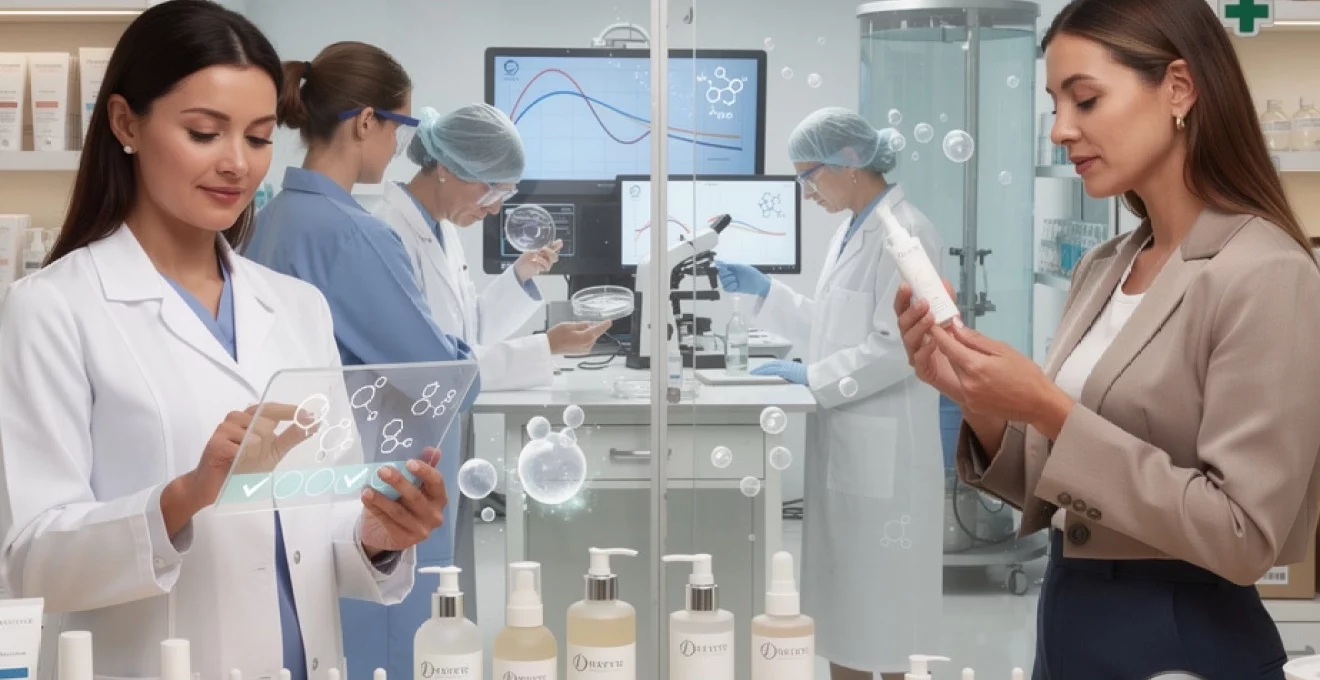
France’s skincare industry represents the pinnacle of dermatological innovation and pharmaceutical excellence, offering consumers access to products that seamlessly blend scientific rigour with elegant formulations. The French approach to skincare transcends mere cosmetic enhancement, focusing instead on long-term skin health through dermatologist-approved formulations and stringent regulatory oversight. From the thermal springs of Avène to the sophisticated laboratories of Paris, French skincare brands have established themselves as global leaders in addressing complex skin concerns with gentle yet effective solutions.
The landscape of French skincare purchasing extends far beyond traditional retail channels, encompassing specialised pharmacies, prescription dermatological products, and internationally distributed premium lines. Understanding the intricacies of this market becomes essential for consumers seeking authentic, high-quality products that deliver measurable results. The regulatory framework governing French skincare ensures that every product meets pharmaceutical standards, creating a unique ecosystem where cosmetics and medicine converge.
French skincare market landscape and regulatory framework
The French skincare market operates under one of the most stringent regulatory frameworks in the global beauty industry, with the Agence Nationale de Sécurité du Médicament (ANSM) overseeing both cosmetic and dermocosmetic products. This dual oversight creates a unique market structure where traditional cosmetics coexist with pharmaceutical-grade skincare solutions, each governed by specific regulations that ensure consumer safety and product efficacy. The French regulatory approach emphasises prevention and long-term skin health rather than quick fixes, resulting in products that undergo extensive clinical testing before reaching consumers.
ANSM cosmetic regulations and CE marking requirements
The ANSM’s regulatory framework mandates that all skincare products sold in France comply with European Union cosmetic regulations while adhering to additional French-specific requirements. Products must display CE marking, indicating conformity with EU health, safety, and environmental protection standards. The notification process requires manufacturers to submit detailed product information files containing ingredient lists, safety assessments, and efficacy data to the European Commission’s Cosmetic Products Notification Portal before market entry.
French skincare manufacturers must maintain product information files for ten years post-market launch, documenting everything from raw material sourcing to final product stability testing. This comprehensive documentation requirement ensures traceability and accountability throughout the supply chain, contributing to the exceptional reputation of French skincare products for quality and safety.
Laboratoires dermatologiques avène clinical testing standards
Leading French skincare laboratories like Avène have established clinical testing protocols that exceed standard regulatory requirements, conducting extensive dermatological studies on sensitive and reactive skin types. These laboratories employ specialised testing methodologies, including patch testing, repeated insult patch testing, and ocular tolerance assessments to ensure product compatibility with even the most sensitive skin conditions. The thermal water centres associated with these brands serve as living laboratories where products undergo real-world testing with patients suffering from various dermatological conditions.
The clinical testing approach employed by French dermatological laboratories focuses on long-term skin tolerance and efficacy rather than immediate visible results. This methodology has led to the development of products specifically formulated for compromised skin barriers, post-procedure care, and chronic skin conditions such as eczema and rosacea.
Pharmacie distribution networks vs department store channels
French skincare distribution operates through two primary channels: the traditional pharmacy network and premium department store retail. Pharmacies stock dermocosmetic lines that require pharmaceutical expertise for proper recommendation and usage guidance, while department stores focus on prestige brands with broader consumer appeal. The pharmacy channel dominates the French market, accounting for approximately 60% of skincare sales, reflecting consumer preference for expert guidance and pharmaceutical-grade products.
Pharmacy distribution ensures that skincare products are sold alongside professional consultation, with trained pharmacists providing personalised recommendations based on individual skin concerns. This distribution model has contributed to the success of brands like La Roche-Posay and Bioderma, which rely on professional endorsement and expert guidance for market penetration.
Prix fixe pricing structure for prescription dermocosmetics
The French healthcare system implements a prix fixe pricing structure for certain dermocosmetic products, particularly those recommended by dermatologists for specific medical conditions. This regulated pricing ensures consistent pricing across different
retailers and prevents excessive mark-ups on medically necessary skincare. For international buyers, this means that prescription-linked French skincare products often have smaller price variations between cities and regions than purely cosmetic items. However, once these products leave the regulated French market and enter international distribution chains, additional margins, taxes and import duties can significantly increase the final retail price.
When you are buying French dermocosmetics abroad, it is worth comparing prices with those in France, especially for high-use items like barrier creams, acne treatments or prescription-adjacent formulas. Many travellers choose to stock up in French pharmacies precisely because the prix fixe model and partial reimbursement by the French health system keep domestic prices relatively stable and competitive compared with other markets.
Dermocosmetique vs cosmétique classification system
To navigate French skincare products effectively, it is crucial to understand the distinction between dermocosmétique and traditional cosmétique. Dermocosmetic products sit at the intersection of dermatology and cosmetics: they are developed in collaboration with dermatologists, tested on sensitive or pathological skin and often sold exclusively in pharmacies or parapharmacies. In contrast, standard cosmetics focus primarily on sensorial experience, aesthetics and fragrance, and are typically distributed via supermarkets, perfumeries and department stores.
From a practical perspective, dermocosmetics are formulated to support the skin barrier, address specific conditions such as acne, rosacea, eczema or post-procedure recovery, and minimise the risk of irritation. They usually feature minimalist ingredient lists, clinical claims backed by studies, and packaging that emphasises tolerance and efficacy over luxury. Cosmetic products can still be high quality, but their regulatory obligations are limited to general EU cosmetic regulation, with fewer requirements for clinical testing on compromised skin. When you are choosing between the two, ask yourself: do you want a sensorial experience, or do you need a targeted solution that behaves almost like a non-prescription treatment?
Another key difference lies in the way these products are recommended and used. Dermocosmetics are often prescribed or suggested by dermatologists and pharmacists as part of a broader treatment protocol, while cosmetics are largely self-selected based on preference and marketing. This is why you will find brands like La Roche-Posay, Avène and Bioderma overwhelmingly in pharmacies, whereas luxury cosmetics from Dior, Chanel or Guerlain dominate department store counters. Understanding this classification system helps you build a French skincare routine that combines clinical performance (from dermocosmetics) with pleasure and luxury (from cosmetics) in a balanced way.
Premium french skincare brand analysis and product lines
La Roche-Posay toleriane and effaclar formulation technologies
La Roche-Posay has become synonymous with dermatologist-recommended French skincare, largely thanks to its Toleriane and Effaclar product families. The Toleriane range is built around high-tolerance formulations designed for sensitive, intolerant or allergy-prone skin. These products reduce potential irritants to a minimum by excluding common fragrance allergens, limiting preservatives and using airless or minimalist packaging to maintain stability with fewer additives. The textures are deliberately simple and non-comedogenic, allowing you to use them alongside prescription treatments without overloading the skin.
The Effaclar line targets oily and acne-prone skin with a different formulation strategy, integrating active ingredients such as salicylic acid, niacinamide and LHA (lipo-hydroxy acid) in carefully calibrated concentrations. What sets Effaclar apart from many anti-acne ranges is its focus on preserving the skin barrier while regulating sebum and reducing imperfections. For example, Effaclar Duo(+) combines keratolytic agents with soothing components and glycerin, limiting the overdrying effect often associated with acne treatments. This is a good example of how French dermocosmetics seek a “treatment plus tolerance” balance rather than an aggressive, one-dimensional approach.
Vichy laboratoires thermal water integration methodology
Vichy Laboratoires differentiates itself by systematically integrating its mineral-rich thermal water into almost every formula. Drawn from volcanic springs in the Auvergne region, this water contains a high concentration of 15 minerals, including calcium, magnesium and manganese, which have been studied for their role in reinforcing the skin’s natural defences. Instead of treating water as a neutral base, Vichy uses it as an active component, positioning it as a foundational element for hydration, antioxidant protection and barrier support.
In practice, Vichy’s integration methodology means that products like Minéral 89 serum or the Liftactiv anti-ageing range are formulated to work synergistically with the thermal water. Humectants such as hyaluronic acid and glycerin draw and hold water in the epidermis, while the minerals help maintain optimal pH and support enzymatic processes involved in skin repair. If you are looking for French skincare that specifically targets dehydration and early signs of ageing, this combination of thermal water, humectants and targeted actives offers a robust, scientifically grounded option.
Bioderma sensibio micellar technology and patent portfolio
Bioderma revolutionised the cleansing category with its Sensibio H2O micellar water, which remains a benchmark for gentle makeup removal worldwide. The brand’s micellar technology relies on microscopic surfactant spheres—micelles—that attract and capture oil, makeup and impurities while remaining extremely mild on the skin. Unlike traditional foaming cleansers, micellar water can cleanse without disrupting the hydrolipidic film, making it ideal for sensitive or reactive skin types that cannot tolerate strong surfactants.
Bioderma has built an extensive patent portfolio around its cleansing and barrier-repair technologies, focusing on biomimetic ingredients that respect the skin’s natural biology. Sensibio, Atoderm and Sébium lines each use distinct surfactant systems and active blends tailored to different skin profiles: sensitive, very dry or acne-prone. When you see claims about “skin barrier support” or “biological hydration” on Bioderma packaging, they are typically backed by patents and clinical studies rather than purely marketing language. For consumers buying French skincare online, this strong intellectual property base can serve as an additional indicator of authenticity and research depth.
Caudalie resveratrol and vinifera extract concentration protocols
Caudalie pioneered the use of grape-derived antioxidants in French skincare, particularly resveratrol and grape seed polyphenols. These compounds are extracted from vines grown in French vineyards and are known for their powerful free-radical-scavenging properties. However, the brand’s differentiation does not come merely from using these ingredients, but from how they concentrate and stabilise them. Resveratrol is notoriously unstable in cosmetic formulas; Caudalie addresses this by using encapsulation technologies and controlled pH environments to preserve efficacy over time.
The brand’s concentration protocols define the percentage and combination of vine sap, grapeseed oil, polyphenols and resveratrol used in each range. For example, the Vinoperfect line focuses on dark spot correction and radiance, pairing stabilised vinifera extracts with niacinamide or gentle acids to brighten the skin without bleaching. The Resveratrol-Lift range combines resveratrol with hyaluronic acid and peptides to target firmness and wrinkles. When you are comparing French anti-ageing serums, looking at these concentration protocols and published in-vitro or clinical studies can help you distinguish between marketing claims and genuinely evidence-based formulations.
NUXE huile prodigieuse botanical sourcing and extraction methods
NUXE’s Huile Prodigieuse has become an icon of French body care, but behind the chic glass bottle lies a sophisticated sourcing and extraction strategy. The oil blends several botanical oils—such as macadamia, camellia, hazelnut, argan, borage and sweet almond—selected for their fatty acid profile and sensorial qualities. NUXE prioritises plant-based, often cold-pressed oils to preserve the integrity of essential fatty acids and micronutrients, while refining them enough to achieve a dry-touch texture that absorbs quickly without greasiness.
The extraction methods used by NUXE aim to balance naturalness with stability. For example, maceration and gentle filtration techniques reduce impurities that could oxidise or irritate the skin, while antioxidant components such as vitamin E are added to protect the formula from rancidity. Different variants of Huile Prodigieuse (classic, Florale, Or) use adjusted fragrance compositions and, in the case of Or, mineral pigments for a subtle shimmer. If you are buying this product outside France, choosing reputable retailers is crucial, as counterfeit oils often fail to replicate the precise botanical ratios and can feel significantly heavier or more fragranced than the genuine formula.
Active ingredient sourcing and french pharmaceutical standards
One of the key reasons French skincare enjoys such a strong global reputation is the pharmaceutical-level control applied to active ingredient sourcing. Major dermocosmetic laboratories typically work with audited suppliers who must comply with Good Manufacturing Practice (GMP) and provide detailed certificates of analysis for each batch of raw materials. These documents verify purity, concentration, microbiological status and the absence of prohibited contaminants such as heavy metals or residual solvents, aligning with both EU cosmetic regulation and internal quality standards.
Active ingredients like retinoids, vitamin C, niacinamide and alpha hydroxy acids are often sourced in pharmaceutical grades, with tight tolerances on potency to ensure consistent performance from one batch to another. For ingredients derived from natural sources—such as thermal waters, plant extracts or oils—French brands also perform identity and origin checks, sometimes including traceability back to specific regions or springs. This level of control may seem excessive for a moisturiser or serum, but it is precisely what differentiates a high-quality French dermocosmetic from a generic product with similar ingredients listed on the label.
For consumers, this means that buying from established French brands generally reduces the risk of variability or contamination in high-actives formulas. It also explains why some French skincare products appear more expensive than local alternatives: part of the cost reflects rigorous testing, controlled sourcing and pharmaceutical packaging. When you encounter a surprisingly cheap “French-style” retinol or vitamin C product from an unknown source, it is worth asking whether the same standards have been applied to the active ingredients inside the bottle.
Cross-border purchase logistics and import compliance
EU customs declaration requirements for personal skincare imports
When you buy French skincare abroad or order directly from French e-commerce sites, you are effectively engaging in cross-border trade that may be subject to customs rules in your home country. Within the European Union, personal skincare purchases move freely without customs duties, but the situation changes as soon as products leave the EU. Most non-EU countries allow travellers to bring a limited quantity of cosmetics for personal use duty-free, typically measured in value (for example, €430 for air travellers in many EU states) rather than in number of items.
If you exceed your duty-free allowance, you may be required to declare your French skincare purchases and pay import taxes or VAT upon arrival. Similarly, when ordering online from French pharmacies or specialised retailers, your parcel can be assessed by customs, leading to additional fees before delivery. It is advisable to check your national customs website for thresholds and categories, especially if you plan a major restock of French dermocosmetics. As a rule of thumb, keep receipts, invoices and order confirmations; they will serve as proof of value if customs officials request documentation.
Temperature-controlled shipping for retinoid and vitamin C formulations
Many of the most sought-after French skincare products—such as retinoid creams, vitamin C serums and certain prescription-adjacent treatments—are sensitive to heat, light and oxygen. During cross-border shipping, these formulations may be exposed to temperature fluctuations in warehouses, cargo holds and delivery vehicles. Just as you would not store a fine French wine in a hot car, you should not expose high-actives skincare to prolonged high temperatures if you want to preserve its potency.
When purchasing such products online, look for retailers who specify climate-controlled storage or rapid shipping methods, especially during summer or if you live in a very warm climate. Opt for opaque or airless packaging when possible, as this adds another layer of protection during transit and everyday use. Once your French skincare order arrives, inspect textures and odours: a vitamin C serum that has turned dark orange or brown, or a retinoid cream that smells rancid, may have oxidised and lost much of its efficacy. In those cases, contacting the seller for replacement is a sensible step.
Authenticity verification through batch code analysis
The popularity of French skincare has unfortunately led to the emergence of counterfeit products on some marketplaces. To protect yourself, authenticity verification should be part of your buying process, especially when purchasing from third-party resellers. Most major French brands imprint a batch code or lot number on the packaging and often on the tube or bottle itself. This alphanumeric code indicates the production batch and manufacturing date, allowing the brand to track quality and recalls if needed.
You can use batch code checkers or contact the brand’s customer service directly to confirm whether a code matches a genuine production run. Inconsistencies in printing quality, spelling mistakes, unusual fragrance or texture and prices that seem “too good to be true” are all warning signs. Think of batch codes as the skincare equivalent of a passport stamp: they verify origin and timeline, giving you confidence that the French products you are applying to your skin were actually produced under French pharmaceutical standards and not in an unregulated facility.
Currency fluctuation impact on eurozone skincare pricing
Another factor to consider when buying French skincare internationally is the impact of currency fluctuations on final prices. Because most French skincare brands price their products in euros, the cost you pay in another currency—dollars, pounds, yen—will vary depending on exchange rates at the time of purchase. Over a year, these fluctuations can be significant enough to make stocking up in France markedly cheaper or, in some cases, only marginally advantageous compared with buying from local authorised retailers.
If you travel frequently or plan a large French skincare haul, it can be helpful to monitor the EUR exchange rate and compare basket values across different purchasing options: in-person French pharmacies, official brand websites shipping internationally and local distributors in your home country. Remember to factor in shipping fees, potential customs charges and any VAT refund you might claim as a non-EU resident. By approaching French skincare shopping with the same attention you might use for booking flights or hotels, you can optimise both product quality and overall cost.
Prescription dermatological products acquisition process
Some of the most powerful French skincare solutions, such as high-strength retinoids, specific acne medications or certain corticosteroid creams, are classified as prescription-only medicines rather than over-the-counter dermocosmetics. To acquire these, you must first consult a licensed dermatologist or general practitioner in France—or in your home country, depending on local regulations—who will assess your skin condition and determine whether a prescription is appropriate. The prescription will specify the active ingredient, concentration, dosage form and duration of treatment, which the pharmacist will then dispense in a French pharmacy.
French pharmacists play an active role in explaining how to integrate prescription dermatological products into your routine with non-prescription skincare. For example, they may advise you to pair a prescription retinoid with a specific French moisturiser or cleanser that supports barrier repair, or to avoid certain exfoliating acids that could increase irritation. While it can be tempting to seek these prescription products online without medical supervision, doing so carries significant risks: inappropriate strength, counterfeit medicines and lack of follow-up if adverse reactions occur.
For international visitors, it is important to remember that prescriptions issued in France may not always be recognised in your home country, and vice versa. Additionally, many jurisdictions limit the import of prescription medicines to small quantities for personal use and require that you carry the original prescription when crossing borders. If you are considering starting a prescription-strength French dermatological treatment, the safest path is to work with a dermatologist who can coordinate care before, during and after your time in France. This way, your French skincare regimen—whether cosmetic, dermocosmetic or prescription—remains coherent, safe and genuinely beneficial for your skin in the long term.