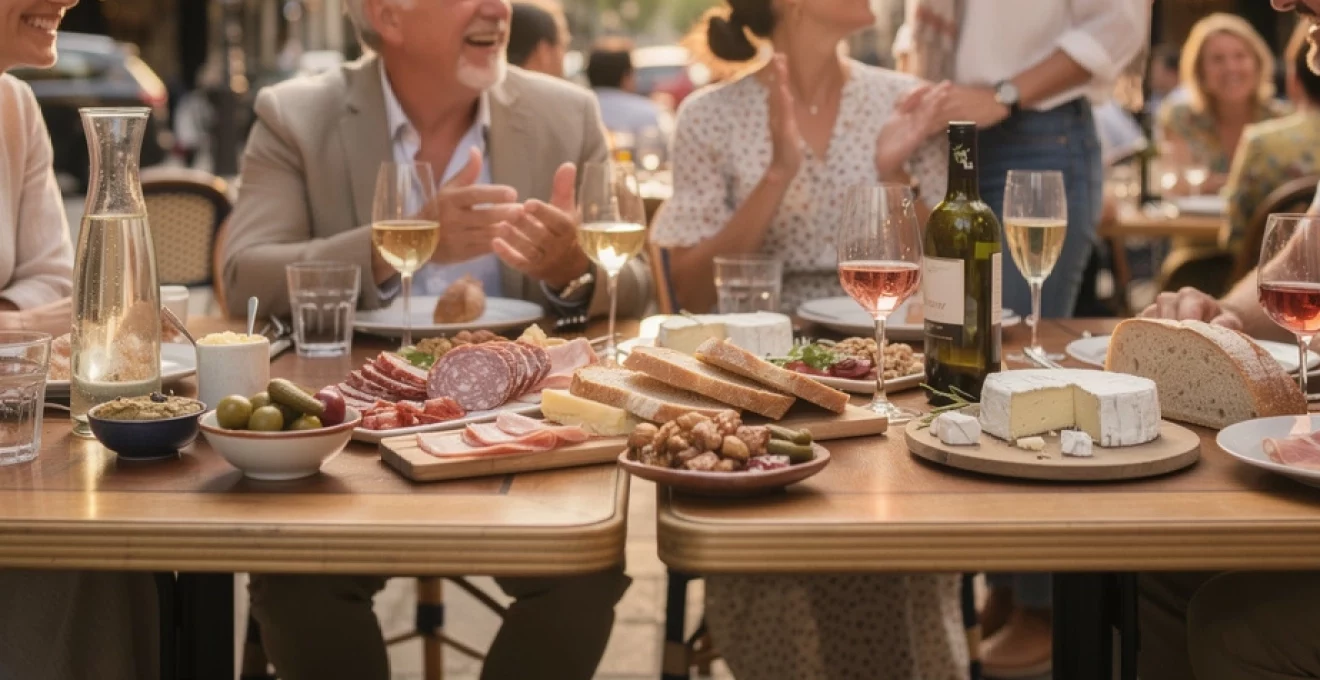
The French apéritif represents far more than a simple pre-dinner drink—it embodies a cherished cultural ritual that transforms the ordinary transition from day to evening into an art form of conviviality and refined pleasure. This time-honoured tradition, derived from the Latin aperire meaning “to open,” serves both physiological and social purposes, stimulating the appetite whilst creating sacred moments of connection amongst family and friends. Understanding the nuances of authentic French apéritif culture requires delving beyond surface-level knowledge into the regional variations, seasonal adaptations, and social protocols that distinguish genuine local practices from tourist interpretations.
The sophistication of French apéritif culture lies in its balance between formality and accessibility, where centuries-old traditions seamlessly blend with contemporary social dynamics. Each region of France has developed distinctive approaches to this evening ritual, from Provence’s pastis ceremonies to Champagne’s elegant bubbles, creating a tapestry of local customs that reflects the country’s diverse terroir and cultural heritage. Mastering these traditions opens doors to authentic French social experiences and provides insights into the French philosophy of savoir-vivre.
Understanding french apéritif culture and regional variations
French apéritif culture varies dramatically across the country’s diverse regions, with each area maintaining distinct preferences, timing protocols, and social customs that reflect local history and terroir. The variations extend beyond mere drink selections to encompass serving rituals, conversation topics, and even the physical spaces where apéritifs are traditionally enjoyed. These regional differences create a rich mosaic of traditions that continues to evolve whilst maintaining deep roots in centuries-old customs.
The timing of apéritifs typically begins around 18h00 (6 PM) throughout most of France, though this can shift later in southern regions where dinner times align with Mediterranean customs. The duration generally spans one to two hours, creating a gentle bridge between the day’s activities and evening dining. During this period, the pace deliberately slows, allowing participants to decompress from daily stresses whilst engaging in meaningful social interaction that strengthens community bonds.
Provence’s pastis ritual and traditional serving methods
Provence’s signature pastis culture represents one of France’s most distinctive regional apéritif traditions, where the anise-flavoured spirit serves as both cultural identifier and social lubricant. The traditional serving method involves a precise ritual: pastis is poured into tall glasses, followed by the addition of cold water in a 5:1 ratio, transforming the clear liquid into a cloudy, aromatic mixture that captures the essence of southern France. This transformation, known as the “louche effect,” creates visual drama that enhances the ceremonial aspect of the experience.
The pastis ritual extends beyond mere preparation to encompass specific social protocols deeply embedded in Provençal culture. Locals typically savour their pastis slowly, allowing the drink to warm slightly whilst engaging in animated discussions about daily life, local politics, or regional events. The accompanying food traditionally includes simple Mediterranean fare—olives, tapenade, anchoïade, and crusty bread—that complements the spirit’s distinctive herbal notes without overwhelming its complex flavour profile.
Parisian aperitivo timing protocols and social etiquette
Parisian apéritif culture operates within more structured social frameworks, where timing precision and etiquette considerations carry particular importance. The capital’s fast-paced lifestyle has compressed traditional apéritif windows, with many establishments offering abbreviated versions that accommodate professional schedules whilst maintaining cultural authenticity. The famous quart d’heure de politesse—the fifteen-minute grace period for fashionably late arrivals—remains a cornerstone of Parisian social protocol.
The selection of venues in Paris ranges from neighbourhood wine bars to sophisticated hotel lounges, each category maintaining distinct unwritten rules about appropriate behaviour, conversation volumes, and duration expectations. Understanding these nuances helps visitors navigate the complex social landscape whilst demonstrating respect for local customs that Parisians value highly.
Loire valley Wine-Based apéritif selection techniques
The Loire Valley’s wine heritage profoundly influences regional apéritif traditions, where local vintages take precedence over commercial spirits or imported beverages. Traditional selections include crisp
dry whites such as Muscadet, Sauvignon Blanc from Sancerre, and Chenin-based wines from Vouvray or Anjou, each chosen for their refreshing acidity and moderate alcohol levels. Locals tend to prioritise wines that cleanse the palate and “wake up” the appetite rather than dominate it, which is why heavily oaked or very high-alcohol bottles are rarely selected for a true Loire Valley apéritif. When choosing like a local, you will often hear talk of fraîcheur (freshness), minerality, and balance rather than power or richness.
A useful technique for Loire wine-based apéritif selection is to match the wine’s profile to the simplicity of the accompanying bites. A bone-dry Muscadet pairs effortlessly with oysters, rillettes de poisson, or simple buttered radishes, while a lightly off-dry Vouvray can flatter salty goat’s cheese or charcuterie without feeling cloying. You can also play with sparkling Crémant de Loire, which offers Champagne-style finesse at a friendlier price point and is widely poured at village gatherings. When in doubt, opt for a young vintage (often within three years), served well chilled but not icy—around 8–10°C—to allow delicate aromatics to express themselves.
Alsatian gewürztraminer and crémant pairing customs
In Alsace, nestled along the German border, apéritif traditions are shaped by both French finesse and Germanic heartiness, with aromatic white wines playing a starring role. Gewürztraminer, with its intense notes of rose, lychee, and warm spice, often appears at family celebrations and festive Sunday apéritifs, typically served slightly chilled at 10–12°C. Rather than being reserved exclusively for dessert, as some visitors assume, it is commonly poured before the meal alongside rich regional specialities such as foie gras, Munster cheese, or kougelhopf salé.
Crémant d’Alsace, the region’s méthode traditionnelle sparkling wine, provides a lighter, more versatile option for everyday apéritifs, especially in urban settings like Strasbourg or Colmar. Locals favour Brut and Extra-Brut styles, whose brisk acidity pairs seamlessly with tarte flambée strips, pretzels, or smoked charcuterie from the Vosges. When hosting at home, it is customary to begin with Crémant for the wider group, then bring out a small bottle of Gewürztraminer as a special treat for guests who appreciate more expressive, aromatic wines. This layered approach allows you to respect tradition while accommodating different palates.
Essential apéritif spirits and artisanal selection criteria
Beyond regional wines, France’s apéritif tradition is anchored in a sophisticated repertoire of spirits and fortified wines, each with its own history, production methods, and serving conventions. Choosing an apéritif spirit like a local involves more than grabbing a familiar label from the supermarket shelf; it means understanding authenticity markers, correct dilution ratios, and how each drink fits into the broader meal structure. In recent years, the rise of artisanal distilleries and small-scale producers has further expanded options for discerning hosts seeking a more curated apéritif experience.
When building a home apéritif cabinet, experienced French hosts typically balance three categories: a classic anise-based spirit such as pastis, one or two wine-based apéritifs like Lillet or Dubonnet, and at least one bitter or herbal liqueur like Suze. This trio covers most scenarios—from a casual afternoon apéro on the terrace to a more formal pre-dinner gathering. By applying a few simple selection criteria focused on origin, ingredients, and traditional serving methods, you can confidently offer guests an apéritif that feels authentically French rather than generically “European.”
Ricard and pernod pastis authentication and dilution ratios
Ricard and Pernod remain the benchmark brands for pastis, yet not all bottles on the shelf reflect the same level of craftsmanship or authenticity. Genuine pastis must, by French regulation, contain a minimum of 40% alcohol by volume and derive its characteristic flavour from star anise or green anise, often supported by liquorice root and Mediterranean herbs. When evaluating a bottle, pay attention to the label’s mention of “pastis de Marseille” or regional indications, which signal adherence to stricter production standards associated with the drink’s Provençal origin.
Serving pastis correctly hinges on the dilution ratio, which directly shapes the drink’s intensity and drinkability. The classic 5:1 water-to-pastis ratio is widely accepted, but many locals adjust within a range of 4:1 to 7:1 depending on temperature, time of day, and personal tolerance. Ice is usually added after the water, if at all, to avoid shocking the aromatics and diluting too rapidly; purists often prefer chilled water from a carafe rather than ice cubes. As a simple rule, invite guests to customise: pour a modest measure of pastis (20–25 ml), offer a carafe of cold water, and let them adjust until the milky opalescent colour and aroma feel just right.
Lillet blanc and lillet rouge terroir characteristics
Lillet, produced in Podensac near Bordeaux since the late 19th century, exemplifies the French talent for blending wine, fruit macerations, and botanicals into a harmonious apéritif. Lillet Blanc, the most internationally recognised style, is built on a base of Bordeaux white wine—typically Sémillon and Sauvignon Blanc—augmented with citrus liqueurs and quinine. Its flavour profile reflects the region’s terroir: sun-ripened stone fruits, gentle honeyed notes, and a discreet bitterness that keeps the sweetness in check. Served well chilled over ice with a slice of orange or lemon, it offers a modern, lighter alternative to heavier fortified wines.
Lillet Rouge and Lillet Rosé draw on red varietals from the same region, lending them a deeper berry character and subtle tannic grip that pairs beautifully with charcuterie or aged cheeses at apéritif. Serious enthusiasts sometimes seek out limited releases or older bottlings, which develop more complex oxidative notes over time, though Lillet is generally intended to be consumed within a couple of years of purchase. When choosing between Blanc, Rouge, and Rosé for your own apéritif ritual, consider both the season and your menu: Lillet Blanc shines in warmer weather with seafood or fresh goat’s cheese, while Lillet Rouge feels more at home in autumn and winter, particularly with pâtés, terrines, and richer canapés.
Suze gentian liqueur production methods and serving temperature
Suze, created in 1889, occupies a unique place in the French apéritif landscape as a bitter liqueur based primarily on gentian root. Harvested from high-altitude meadows in the Massif Central and Jura regions, gentian roots are notoriously labour-intensive to obtain, often requiring several years of growth before they can be dug up, cleaned, and macerated. After maceration in neutral alcohol, the resulting bitter extract is blended with aromatics and sweeteners to create a liqueur that balances earthy intensity with a surprisingly refreshing finish.
Because of its assertive bitterness and herbal depth, Suze is typically served very cold, either neat over ice or lengthened with sparkling water or tonic. The ideal serving temperature hovers around 6–8°C, which tempers the bitterness while allowing the floral and citrus notes to emerge. For a more contemporary twist on the traditional French apéritif, many urban bars now feature Suze in low-ABV cocktails, pairing it with dry vermouth, citrus peels, or even a splash of Crémant. If you are introducing Suze to guests for the first time, a simple Suze-tonic with a lemon twist can be an accessible entry point that still honours the drink’s Alpine heritage.
Dubonnet rouge fortified wine classification and vintage selection
Dubonnet Rouge is a classic French fortified wine that gained international attention as the preferred apéritif of Queen Elizabeth II, yet its roots lie in a 19th-century French attempt to make quinine more palatable for soldiers in North Africa. Technically classified as a wine-based apéritif rather than a port or sherry, Dubonnet Rouge combines red wine, herbs, spices, and quinine to produce a velvety, bittersweet profile. Aromas of blackcurrant, dried orange peel, and baking spices make it particularly suited to cooler months and early evening gatherings.
Unlike age-worthy fine wines, Dubonnet is not typically marketed by vintage, and most bottles are blended to a consistent house style. That said, freshness still matters: you should aim to consume an opened bottle within two to three months, storing it in the refrigerator with a tight closure to preserve its aromatics. When serving Dubonnet Rouge as part of a French-inspired apéritif, pour it lightly chilled at around 10–12°C, either neat or over a large ice cube with a slice of orange. Its moderated sweetness and herbal complexity make it ideal for bridging the gap between savoury bites and a more substantial dinner to follow.
Traditional french amuse-bouches and charcuterie board composition
No authentic French apéritif is complete without an array of amuse-bouches and a thoughtfully curated charcuterie board. The goal is not to replace dinner, but to offer a satisfying variety of textures, flavours, and colours that encourage slow grazing and conversation. In many French households, the apéritif spread follows a loose formula: something salty and crunchy, something creamy, something fresh and vegetal, and one or two regional specialities that reflect the host’s identity. This balanced approach keeps the appetite engaged without overwhelming it.
When assembling a charcuterie board for apéritif, start with one or two cured meats such as saucisson sec, jambon cru (like Bayonne or Parma-style hams), or thin slices of rosette. Add a compact cheese selection: a soft rind cheese (Brie or Camembert), a firm mountain cheese (Comté, Tomme), and a piece of goat’s cheese are usually sufficient. To avoid crowding the palate, keep portions modest—think bite-sized cubes or thin slices rather than generous wedges. Complement these with cornichons, marinated olives, radishes with salted butter, and small bowls of nuts to create contrast and refreshment between sips.
For more elaborate apéritifs, especially in urban settings or on weekends, you can incorporate homemade amuse-bouches that require minimal effort but appear refined. Examples include mini toasts with tapenade, smoked salmon blinis with crème fraîche and dill, or cherry tomatoes stuffed with fresh herbed cheese. Many French hosts also rely on frozen or ready-made pastry bites—mini quiches, feuilletés au fromage, or puff pastry spirals—which can be baked straight from the freezer and served warm. The key is to prioritise ease and conviviality over culinary perfection: you should be at the table with your guests, not trapped in the kitchen.
Mastering the art of apéritif conversation and social dynamics
Beyond drinks and food, what truly defines the French apéritif tradition is the quality of conversation and the subtle social choreography that accompanies it. An effective host manages not only the flow of glasses but also the flow of interactions, gently weaving guests into a cohesive group. In many households, the apéritif acts as a social “warm-up,” allowing everyone to relax before more structured conversation at the dinner table. It is a time for lightness and connection, rather than intense debate or heavy personal disclosures.
So what do locals actually talk about during apéritif? Safe and engaging topics often include recent travels, cultural events, books, films, or regional news, with politics and religion approached cautiously unless everyone present is already comfortable with lively debate. You will also notice a particular French skill in group conversation: guests tend to include quieter participants by asking open questions and avoiding long monologues. As a host, you can facilitate this by introducing guests with a brief detail—”They’ve just moved from London,” “She works in winemaking,”—which gives others an immediate hook for questions and shared interests.
Social dynamics during apéritif also extend to pacing and departure etiquette. Most French guests will naturally limit themselves to one or two drinks, spacing them over an hour or ninety minutes, which keeps the mood relaxed and ensures that dinner, whether at your home or elsewhere, remains enjoyable. When you sense that the apéritif has fulfilled its role—conversation slows, glasses are empty—it is perfectly acceptable to signal the transition by quietly clearing glasses or announcing that you need to start preparing the meal. Guests will usually respond by offering to help or politely taking their leave, allowing the evening to evolve without awkwardness.
Seasonal apéritif adaptation strategies and weather-responsive selections
One of the most appealing aspects of the French apéritif tradition is its adaptability to the seasons and weather conditions. Just as menus shift from hearty casseroles in winter to fresh salads in summer, apéritif drinks and snacks evolve throughout the year. Learning to adjust your selections—both liquid and solid—to the temperature and light outside will make your gatherings feel more intuitive, more local, and more in tune with the rhythm of French life. Think of it as dressing your apéritif the way you would dress yourself: lighter layers for summer, warm and comforting textures for colder days.
In summer, particularly in the south and along the Atlantic coast, apéritifs gravitate towards chilled, lower-alcohol options such as rosé from Provence, Pétillant Naturel, or light spritz-style cocktails using Lillet Blanc or Suze. Snacks tend to be simpler and fresher: cherry tomatoes, cucumber sticks, anchovies, melon with cured ham, or slices of baguette with tapenade. Outdoor spaces—balconies, terraces, gardens—become the natural stage for these gatherings, with hosts often delaying the start of apéritif to 19h30 or later to coincide with cooler evening air. Have you ever noticed how a glass of rosé seems to taste different as the sun sets? That sensory link between light, temperature, and flavour is precisely what French hosts aim to harness.
Autumn and winter, by contrast, call for more structured and warming apéritifs. In cooler months, you might switch to Dubonnet Rouge, fuller-bodied regional reds, or slightly sweeter wines such as off-dry Vouvray or Gewürztraminer, all served at appropriate temperatures to highlight their comforting qualities. Bites may become more substantial: warm gougères, mini quiches, small slices of tartiflette or pissaladière, and richer charcuterie selections that feel satisfying without becoming a full meal. During festive periods like Noël and New Year’s Eve, Crémant or Champagne reclaims centre stage, often paired with smoked salmon, oysters, or delicate canapés to mark the occasion.
Weather-responsive selections also matter on a day-to-day basis, especially in regions with changeable climates such as Brittany or the Loire. On unexpectedly hot spring days, you might pivot from the red wine you had planned to a chilled white or a light apéritif cocktail; on a rainy evening, a more robust fortified wine or herbal liqueur can feel far more appropriate. By paying attention to the season and the sky outside your window, you can shape each apéritif into a small but meaningful reflection of place and time—a habit that lies at the heart of embracing the apéritif tradition like a true local.