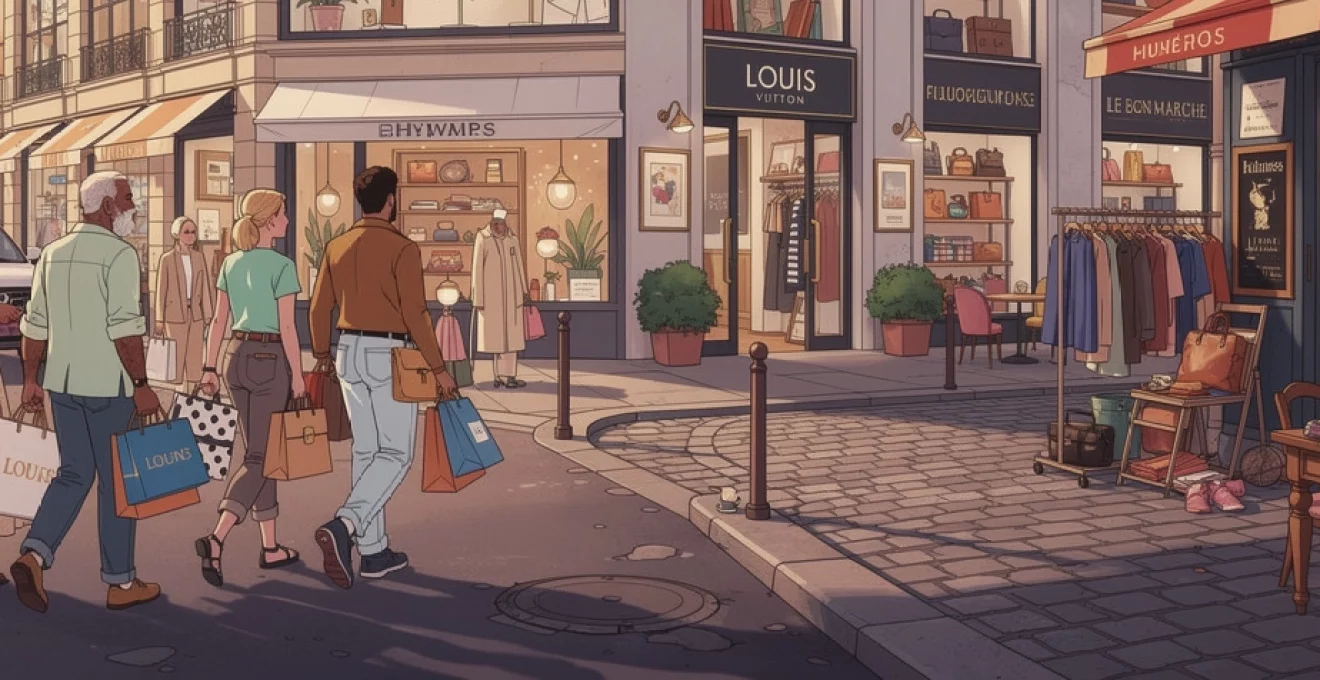
Paris stands as the undisputed capital of global fashion, where centuries-old maisons de couture coexist with innovative concept stores and hidden vintage treasures. The city’s shopping landscape mirrors its cultural complexity, offering everything from palatial department stores along grand boulevards to intimate ateliers tucked away in cobblestone alleyways. Whether seeking limited-edition luxury pieces, sustainable vintage finds, or cutting-edge contemporary designs, Paris provides an unparalleled retail experience that extends far beyond mere commerce into the realm of cultural immersion and artistic discovery.
Luxury department store shopping districts: haussman boulevard and Champs-Élysées commercial corridors
The architectural grandeur of Paris’s luxury department stores reflects the city’s commitment to retail theatre. These magnificent establishments, concentrated along Baron Haussmann’s iconic boulevards, transform shopping into an art form where Belle Époque facades house the world’s most coveted brands. The strategic positioning of these retail palaces creates natural shopping corridors that draw millions of international visitors annually, each seeking the quintessential Parisian luxury experience.
The 9th arrondissement’s Boulevard Haussmann serves as the epicentre of Parisian department store culture, where competing retail giants have refined their offerings for over a century. These establishments represent more than mere shopping destinations; they embody French savoir-vivre and the nation’s dedication to luxury craftsmanship. The concentration of these stores creates a unique retail ecosystem where traditional French elegance meets international brand diversity.
Galeries lafayette flagship store: Multi-Brand luxury retail experience
Galeries Lafayette Haussmann stands as a cathedral of commerce, its iconic Art Nouveau dome serving as both architectural marvel and symbol of French retail excellence. Spanning multiple buildings across 70,000 square metres, this flagship location houses over 3,500 brands across fashion, beauty, home goods, and gourmet food sectors. The store’s famous glass cupola, illuminated by natural light during the day and dramatic lighting by night, creates an atmosphere that transforms routine shopping into theatrical performance.
The establishment’s commitment to innovation extends beyond its historic architecture through digital integration and experiential retail concepts. Personal shopping services, styling consultations, and VIP lounges cater to discerning international clientele, whilst the rooftop terrace offers panoramic views of the Opéra Garnier and surrounding cityscape. The store’s tax-free shopping services and multilingual staff position it as an essential destination for global luxury consumers seeking authentic Parisian retail experiences.
Printemps haussmann: contemporary fashion and beauty merchandise curation
Printemps Haussmann distinguishes itself through carefully curated collections that emphasise emerging designers alongside established luxury houses. The store’s three interconnected buildings focus respectively on women’s fashion, men’s style, and beauty products, creating specialised shopping environments that enhance brand discovery and customer engagement. The beauty department alone spans six floors, representing the largest cosmetics and fragrance destination in Europe.
The establishment’s commitment to fashion-forward curation manifests through exclusive capsule collections, limited-edition collaborations, and early access to seasonal collections. Regular fashion shows, trunk shows, and designer meet-and-greets transform the retail space into a dynamic cultural venue. Printemps consistently identifies and promotes emerging talent, serving as a launching platform for international designers seeking entry into the French luxury market.
BHV marais: home goods and lifestyle product specialisation
Bazar de l’Hôtel de Ville occupies a unique position within Paris’s department store landscape through its focus on home improvement, lifestyle products, and practical luxury goods. Located in the heart of the historic Marais district, BHV combines traditional French craftsmanship with contemporary design solutions, offering everything from artisanal kitchenware to cutting-edge electronics within its seven-floor retail space.
The store’s basement hardware section has achieved legendary status amongst Parisians for its comprehensive selection of tools, materials, and household essentials. This practical foundation supports upper floors dedicated to furniture, home décor, and lifestyle brands that reflect contemporary French living standards. BHV’s commitment to functionality and design excellence
extends to its curated selection of niche European labels, urban gardening accessories, and Parisian-designed tableware, making it especially appealing if you are furnishing a home or searching for sophisticated yet practical souvenirs. Shoppers benefit from regular in-store workshops on DIY projects and décor trends, reinforcing BHV Marais as a lifestyle hub rather than a simple retail outlet. The adjacent BHV Homme and rooftop bar further anchor the store within the broader Marais shopping experience, linking home goods, fashion, and leisure into one cohesive destination.
Le bon marché rive gauche: left bank premium department store heritage
Le Bon Marché Rive Gauche, often cited as the world’s first modern department store, embodies the understated elegance traditionally associated with the Left Bank. Its Haussmannian architecture, refined interior spaces, and art-driven visual merchandising distinguish it from the more theatrical Right Bank grands magasins. The merchandising strategy privileges premium French and European brands, with a particular emphasis on ready-to-wear fashion, accessories, and luxury basics that cater to a clientele seeking discrete, enduring style rather than conspicuous logos.
Adjacent to the main store, La Grande Épicerie de Paris functions as a gourmet temple showcasing the finest French and international food products. From rare single-origin chocolates and regional olive oils to impeccably presented pâtisserie, the food hall transforms grocery shopping into a form of gastronomic tourism. For visitors aiming to experience an authentic Left Bank shopping atmosphere, a visit to Le Bon Marché provides both a curated fashion experience and an introduction to France’s culinary heritage, all within a single, meticulously orchestrated environment.
Haute couture and designer flagship boutiques: faubourg Saint-Honoré and avenue montaigne
Beyond the grand department stores, Paris’s haute couture identity is crystallised in its network of flagship boutiques clustered along Rue du Faubourg Saint-Honoré, Rue Saint-Honoré, Avenue Montaigne, and the Champs-Élysées. These streets form the city’s most exclusive fashion axis, where legendary maisons de couture maintain ateliers, private salons, and historically significant addresses. Walking through this district is akin to moving through a living museum of fashion history, where archival silhouettes, contemporary runway collections, and bespoke services intersect.
The concentration of flagship boutiques also shapes how you might structure a shopping itinerary in Paris. Rather than visiting individual stores in isolation, you can navigate entire streets designed as immersive brand narratives, each façade, window display, and interior detail crafted to communicate a maison’s aesthetic codes. For serious fashion enthusiasts and industry professionals, these districts offer valuable insight into how luxury branding, heritage storytelling, and architectural design converge in the Paris retail environment.
Chanel rue cambon: iconic maison heritage and exclusive collections
The Chanel flagship at 31 Rue Cambon holds near-mythical status within fashion culture as the site where Gabrielle “Coco” Chanel established her couture house in the early 20th century. The boutique, couture salons, and Coco Chanel’s preserved apartment above the store collectively form a physical archive of the brand’s evolution. While the apartment itself is not open to the general public, its aesthetic—crystal chandeliers, Coromandel screens, and symbolic motifs—continues to inform Chanel’s contemporary collections and visual identity.
For shoppers, the Rue Cambon flagship provides access to exclusive ready-to-wear, accessories, and fine jewellery selections that may not be widely available in other markets. The iconic mirrored staircase, where Chanel observed her fashion shows unseen, remains a focal point and a powerful symbol of the maison’s introspective yet influential role in modern fashion. Booking a dedicated appointment with a sales advisor can significantly enhance your experience, allowing for tailored styling advice and priority access to coveted items such as limited-run handbags or seasonal tweed pieces.
Louis vuitton Champs-Élysées: leather goods and ready-to-wear flagship
Situated along the emblematic Avenue des Champs-Élysées, the Louis Vuitton flagship functions as a showcase for the brand’s full creative universe, from heritage trunks and leather goods to men’s and women’s ready-to-wear, footwear, and high jewellery. The multi-level space is frequently reimagined with immersive installations tied to current collections or artist collaborations, transforming each visit into a distinct experiential moment. Architectural elements reference the maison’s travel roots, with trunk-inspired displays and archival pieces emphasising Louis Vuitton’s origins as a malletier.
Due to its global popularity, the flagship often features managed entry with queues at peak hours, particularly during weekends and high tourist seasons. To optimise your visit, consider arriving early in the day or booking a private appointment when possible. Tax-free shopping and personalised embossing services for small leather goods enhance the appeal for international visitors seeking a tangible symbol of Parisian luxury fashion to take home. As with other major maisons, capsule collections, city-exclusive items, and seasonal colourways reward those who plan their visit strategically.
Hermès Saint-Honoré: artisanal craftsmanship and limited edition pieces
The Hermès flagship at 24 Rue du Faubourg Saint-Honoré exemplifies the maison’s devotion to artisanal excellence and discreet luxury. Spread over several levels, the boutique offers an extensive selection of silk scarves, leather goods, equestrian equipment, ready-to-wear, and home objects, each reflecting the brand’s roots in saddlery and craftsmanship. The store’s layout encourages a slower, more contemplative shopping rhythm, inviting you to appreciate the tactile qualities of materials and the precision of hand-finished details.
Acquiring highly sought-after pieces such as Birkin or Kelly bags typically involves developing a long-term relationship with a sales associate and demonstrating consistent engagement with the brand through other product categories. While this protocol can appear opaque from the outside, it underscores Hermès’ philosophy of controlled production and respect for artisanal labour. For most visitors, exploring the vibrant silk carré displays, leather accessories, and fragrance counters offers more immediate access to the maison’s aesthetic universe, with seasonal prints and limited editions rewarding repeat visits.
Christian dior avenue montaigne: couture atelier and private shopping services
Christian Dior’s historic address at 30 Avenue Montaigne remains the spiritual home of the house that revolutionised post-war fashion with the 1947 “New Look.” Recently renovated and expanded, the site now encompasses a flagship boutique, haute couture salons, exhibition spaces, restaurant, and garden, functioning almost as a self-contained Dior universe. The boutique showcases ready-to-wear, accessories, fine jewellery, and homeware collections, all framed by interiors that reinterpret archival motifs such as toile de Jouy and the Bar jacket silhouette.
For clients seeking a more personalised experience, Dior offers private shopping appointments, tailoring services, and access to made-to-measure options in select categories. Industry observers often compare the Avenue Montaigne flagship to a luxury hotel in terms of service level, with multilingual staff, refreshments, and discreet security ensuring a seamless visit. If you are interested in fashion history as much as retail, dedicating time to explore both the commercial and exhibition spaces can provide a comprehensive understanding of Dior’s continuing influence on global style.
Underground fashion markets and alternative shopping venues
Paris’s fashion ecosystem extends well beyond polished flagships and department stores to include underground markets, semi-permanent pop-ups, and alternative retail venues. These spaces often operate at the intersection of streetwear, youth culture, and experimental design, providing platforms for emerging labels, upcycled fashion, and niche subcultures. For travellers who prefer discovering brands before they appear in major magazines, these markets can feel like a treasure hunt through the city’s creative undercurrents.
Key hubs include the area around Canal Saint-Martin, where former warehouses host rotating fashion and design markets, as well as ephemeral events in repurposed industrial spaces near Bastille and in the 19th arrondissement. Here you might find limited runs of screen-printed T-shirts, gender-neutral tailoring, repurposed denim, or DIY jewellery alongside vinyl records and zines. While stock and participants change frequently, following local event platforms and social media accounts can help you time your visit to coincide with weekend markets and designer sample sales.
Vintage and second-hand boutique networks: Saint-Ouen flea markets and marais district
In parallel with the growth of circular fashion and sustainable consumption, Paris has refined a sophisticated network of vintage and second-hand boutiques. These range from chaotic, low-price treasure troves to meticulously curated consignment spaces carrying archival pieces from Chanel, Yves Saint Laurent, and other heritage maisons. Concentrated primarily in the Saint-Ouen flea market complex and the Marais district, these venues allow you to engage with Parisian fashion history in a tactile and often more affordable way.
Shopping vintage in Paris also provides insight into how local style has evolved across decades, as you encounter everything from 1960s mod dresses and 1980s power suits to early 2000s minimalism. For fashion professionals, stylists, or collectors, these boutiques can serve as informal research libraries, offering reference material for silhouettes, fabrication, and print design. For casual visitors, they offer the simple pleasure of finding a one-of-a-kind piece that carries a story beyond its price tag.
Marché aux puces de Saint-Ouen: antique dealers and vintage clothing stalls
The Marché aux Puces de Saint-Ouen, located just north of Paris, ranks among the largest flea markets in the world, attracting an estimated 5 million visitors annually. Spanning several interconnected markets such as Paul Bert, Serpette, Vernaison, and Dauphine, the complex offers everything from 18th-century furniture and mid-century lighting to vintage couture, military surplus, and costume jewellery. Each sub-market has its own character, with some specialising in high-end antiques and others focusing on more accessible collectibles and clothing.
To navigate the market efficiently, it is advisable to arrive early, prioritise specific zones, and wear comfortable footwear—distances between stalls can be considerable. Prices vary widely, and while bargaining is expected in many sections, dealers specialising in museum-quality pieces may be less flexible. If you are considering purchasing larger items such as furniture or artwork, on-site shipping services can arrange international transport, allowing you to incorporate Parisian design history into your home without logistical complications.
Free’p’star chain: curated second-hand designer collections
Free’P’Star has become synonymous with low-cost vintage shopping in central Paris, particularly among students and young creatives. Its compact stores in the Marais and Latin Quarter are renowned for their tightly packed racks, “1€ bins,” and eclectic mix of denim, leather jackets, printed dresses, and occasional designer pieces. Unlike more curated boutiques, the appeal here lies in the thrill of the hunt, where patience and a willingness to sift through stock are rewarded with unexpected finds.
Because inventory turns over rapidly, visiting multiple locations or returning on different days can significantly increase your chances of discovering standout garments. You may encounter everything from 1990s sportswear and Y2K accessories to forgotten French labels, often at prices far below those of more polished vintage spaces. For travellers conscious of budget yet keen to participate in Paris’s fashion narrative, Free’P’Star offers a democratic entry point into the city’s second-hand ecosystem.
Thanx god i’m a V.I.P: luxury consignment and authentication services
Positioned at the more elevated end of the vintage spectrum, Thanx God I’m a V.I.P operates as a meticulously curated consignment store with a strong emphasis on designer and couture pieces. Organised by colour and category, the boutique presents garments and accessories from brands such as Saint Laurent, Chanel, Mugler, and Margiela in a gallery-like setting. This visual clarity, combined with detailed labelling, makes browsing both efficient and aesthetically pleasing, particularly if you are seeking specific decades or design movements.
The store places significant emphasis on authentication and garment condition, a crucial factor in a market where counterfeit goods remain a global concern. Staff members are typically knowledgeable about construction techniques, labels, and fabrications, enabling them to guide you through the provenance and value of individual pieces. If you are investing in a vintage luxury item, this level of expertise helps ensure that your purchase holds both emotional and potential resale value over time.
L’habilleur marais: end-of-season designer discounts and sample sales
L’Habilleur in the Marais specialises in end-of-season stock and samples from high-quality European designers, offering substantial discounts compared with initial retail prices. Rather than focusing on overtly logo-driven pieces, the boutique tends to favour understated labels known for expert tailoring, refined knitwear, and minimalist outerwear. The result is a selection that appeals to those who prioritise fabrication and cut over immediate brand recognition.
Stock typically includes both menswear and womenswear, with reductions often ranging from 30% to 70%, making it an excellent venue if you wish to acquire Paris-quality garments on a more moderate budget. Because sizes and quantities are limited, approaching the store with an open mind rather than a fixed shopping list usually yields the best outcomes. Over time, many regulars treat L’Habilleur less as a discount outlet and more as a discovery space for labels that might otherwise remain under their radar.
Artisanal craft workshops and independent creator boutiques
Parallel to the globalised luxury houses, Paris maintains a vibrant ecosystem of small-scale artisans and independent designers whose workshops double as retail spaces. These ateliers, scattered across neighbourhoods such as the 11th arrondissement, Canal Saint-Martin, and the upper Marais, focus on leatherwork, ceramics, jewellery, millinery, and bespoke clothing. Shopping in these spaces allows you to witness elements of the production process first-hand, reinforcing a connection between object and maker that large-scale retail environments often lack.
Many of these creators embrace sustainable practices, working with locally sourced materials, deadstock fabrics, or recycled metals. You might find hand-stitched wallets, customisable sandals, or one-off ceramic pieces designed to age gracefully with use, much like the city itself. For travellers interested in supporting slow fashion and independent craftsmanship, dedicating an afternoon to exploring these studios can be as rewarding as visiting any major museum, offering direct engagement with the contemporary creative life of Paris.
Concept stores and multi-brand retail innovation: colette legacy and contemporary alternatives
Although the pioneering concept store Colette closed its doors in 2017, its influence continues to shape how Paris approaches multi-brand retail innovation. Colette’s model—combining fashion, music, design, art, and technology in a constantly rotating assortment—inspired a new generation of boutiques that foreground curation and cultural relevance over sheer scale. Today’s leading concept stores in Paris operate as hybrid spaces where you might find a capsule collection by an emerging Japanese label alongside limited-edition sneakers, niche fragrances, art books, and design objects.
These contemporary successors place strong emphasis on storytelling, often organising their merchandising around themes, collaborations, or seasonal editorials. For you as a visitor, this means that a single stop can serve as an efficient overview of current global fashion and lifestyle trends, distilled through a distinctly Parisian lens. Whether located in the Marais, near Canal Saint-Martin, or on the Left Bank, such stores reward curiosity and open-minded browsing, inviting you to think of shopping not simply as consumption but as a form of cultural exploration.