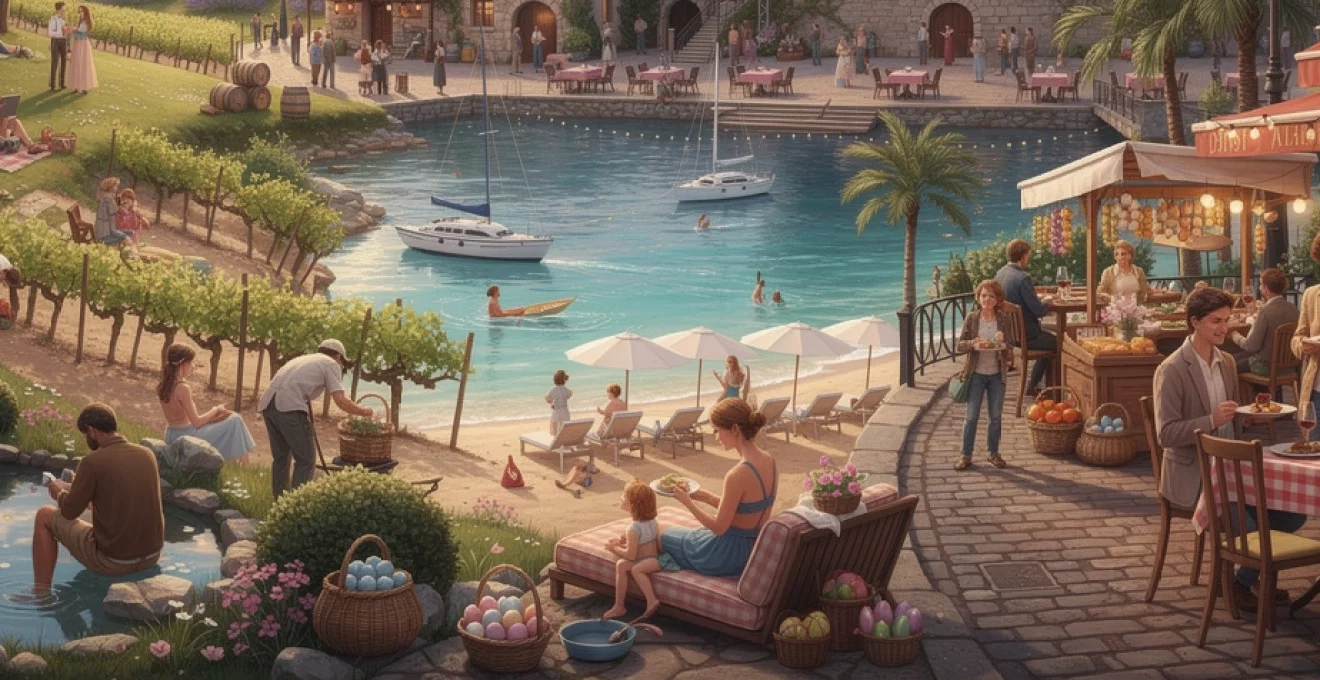
France’s cultural tapestry weaves through the changing seasons like a perfectly orchestrated symphony, where each month brings distinct traditions, flavours, and experiences that define the French way of life. From the cherry blossoms of spring to the alpine skiing of winter, the country’s diverse regions offer a rich calendar of seasonal celebrations that connect locals and visitors alike to the natural rhythms of the land. Understanding these seasonal patterns provides invaluable insight into why French lifestyle continues to captivate people worldwide, offering a blueprint for living more intentionally throughout the year.
The seasonal approach to life in France isn’t merely about weather adaptations; it represents a fundamental philosophy that embraces change, celebrates abundance, and finds meaning in tradition. This cyclical lifestyle creates opportunities for deeper cultural immersion and authentic experiences that go far beyond typical tourist encounters.
Spring cultural awakening: seasonal festivals and agricultural traditions
Spring in France marks a period of cultural renaissance, where communities emerge from winter’s quietude to celebrate renewal through time-honoured festivals and agricultural rituals. The season brings a palpable energy shift across French territories, from bustling Parisian gardens to quiet Provençal villages awakening to warmer temperatures and longer daylight hours.
Cherry blossom season in parc de sceaux and japanese gardens
The cherry blossom season transforms several French locations into ethereal landscapes reminiscent of Japanese hanami traditions. Parc de Sceaux, located just outside Paris, becomes a pilgrimage destination for nature enthusiasts and photographers during late March and early April. The park’s collection of ornamental cherry trees creates stunning pink and white canopies that attract thousands of visitors annually.
French interpretations of Japanese garden aesthetics can be found throughout the country, with notable examples in Toulouse’s Jardin Japonais and the Albert Kahn Museum gardens in Boulogne-Billancourt. These spaces offer contemplative environments where visitors can practice slow living principles, taking time to appreciate transient beauty and seasonal transitions.
Easter market culture in provence and alsace regions
Easter markets across Provence and Alsace showcase regional artisanal traditions through elaborate displays of decorated eggs, handcrafted chocolates, and seasonal produce. These markets serve as cultural gathering points where local communities maintain connections to religious and secular celebrations that have evolved over centuries.
Provençal Easter markets feature distinctive santons (traditional clay figurines) alongside locally produced olive oils, herbs, and early spring vegetables. The markets create opportunities for visitors to engage directly with local producers and artisans, fostering understanding of regional agricultural cycles and traditional craftsmanship techniques.
Wine harvest preparation rituals in burgundy and champagne
Spring vineyard activities in Burgundy and Champagne regions involve meticulous preparation rituals that determine the quality of future harvests. Vineyard owners and workers engage in pruning, soil preparation, and vine training activities that require both traditional knowledge and modern agricultural techniques.
These preparation activities offer insights into the complex relationship between human expertise and natural processes that characterize French winemaking culture. Visitors participating in vineyard work during spring months gain appreciation for the labour-intensive nature of premium wine production and the seasonal rhythms that govern this ancient practice.
Lavender cultivation cycles in valensole plateau
The Valensole Plateau’s lavender cultivation represents one of France’s most photographed agricultural landscapes, though spring activities focus on field maintenance and preparation rather than the famous purple blooms. Farmers engage in weeding, irrigation system checks, and soil analysis during March and April, creating foundations for summer’s spectacular displays.
Understanding these preparatory phases provides deeper appreciation for the agricultural expertise required to maintain Provence’s iconic lavender fields. The cultivation cycles demonstrate how French farmers balance traditional methods with contemporary sustainable farming practices to preserve both landscape beauty and economic viability.
Summer mediterranean lifestyle integration and coastal living
Summer along France’s Mediterranean coastline exemplifies the country’s mastery of l’art de vivre, where coastal communities perfect the balance between leisure, culture, and sophisticated social interaction. The season transforms France
into a living stage set, where mornings begin with market runs, afternoons drift into the sea, and evenings unfold slowly over shared meals and open-air performances. For anyone curious about how to integrate into the French lifestyle, summer on the coast is a masterclass in balancing pleasure, rhythm, and respect for local traditions.
Côte d’azur beach club culture from Saint-Tropez to cannes
From Saint-Tropez to Cannes, the Côte d’Azur has perfected a particular kind of coastal living that combines beach leisure with a strong sense of ritual. Private and public plages coexist, each with its own code of conduct, from how long you linger over lunch to how you interact with staff and fellow sunbathers. Rather than rushing through the day, locals and regulars treat a beach club visit as a full experience: a late morning arrival, a long seafood lunch, a swim, then coffee or an apéritif as the light softens.
Integrating into this Mediterranean lifestyle means understanding that the French beach is a social as much as a physical space. You are encouraged to speak quietly, avoid loud phone calls, and respect the rhythm of others resting, reading, or chatting in small groups. Practical details such as reserving loungers in advance at popular spots, or choosing a quieter plage municipale if you prefer a simpler experience, can make a significant difference to how relaxed your summer days feel.
Festival season participation: avignon theatre festival and Aix-en-Provence opera
Summer in France is also synonymous with festival culture, and nowhere is this more evident than in Avignon and Aix-en-Provence. The Avignon Theatre Festival transforms the medieval city into an open-air stage each July, hosting more than a thousand performances in official and fringe programmes. Streets are lined with posters, actors promote productions in the squares, and audiences spill into cafés late into the night, discussing plays and performances.
Aix-en-Provence, by contrast, focuses on opera and classical music, with its renowned festival drawing international artists and discerning audiences. Participating in these events offers more than cultural consumption; it offers a glimpse into how the French fold high culture into everyday life. Booking tickets early, planning simple pre-show picnics in shaded squares, and allowing time to wander between venues helps you experience festival season at the slower, more intentional pace that locals favour.
Outdoor dining etiquette in lyon’s bouchon restaurants
Lyon, often considered France’s gastronomic capital, embodies the summer art of outdoor dining through its traditional bouchons. These small, convivial restaurants serve hearty regional dishes on shaded terraces and cobbled streets, where tables are placed close together to encourage conversation. Rather than eating quickly and moving on, diners are expected to linger, share plates, and respect the cadence of multi-course meals.
Understanding outdoor dining etiquette here means accepting that service will not be rushed and that table turnover is not the priority. You will rarely be hurried to leave, and it is common to spend two or three hours over lunch or dinner. Asking staff for recommendations, ordering a carafe of local wine, and embracing the set menus many bouchons offer are simple ways to align with the local rhythm and enjoy this aspect of French lifestyle more fully.
Vacation rental practices in brittany and normandy coastlines
On the cooler Atlantic coasts of Brittany and Normandy, summer living revolves around family-centered vacation rentals rather than hotel stays. Many French families return to the same seaside town or village each year, renting the same house for several weeks and forming long-term bonds with neighbours, market vendors, and café owners. This repetition creates a sense of continuity and community that stands in contrast to one-off holiday tourism.
If you are planning a longer stay, adopting French vacation rental habits can help you integrate into this coastal lifestyle. Booking from Saturday to Saturday, arriving with the expectation of self-catering most meals, and quickly identifying your preferred bakery, fishmonger, and weekly market are all part of the rhythm. Over time, small gestures such as greeting neighbours, sharing surplus garden produce, or joining local sailing or walking clubs deepen your connection to place and season.
Cycling tourism routes: loire valley châteaux circuit
Inland, the Loire Valley demonstrates another summer lifestyle pillar: cycling tourism as a gentle, immersive way to explore the countryside. The Loire à Vélo route stretches for hundreds of kilometres, linking châteaux, vineyards, and riverside towns with well-marked, mostly flat paths. Rather than racing through, most cyclists adopt a touring approach: short daily distances, frequent stops, and extended lunches in village squares.
For those seeking to live more like the French while cycling, planning itineraries around local markets, wine estates, and seasonal events is key. Packing light, choosing accommodation that welcomes cyclists, and allowing time for spontaneous detours—to a small church, a riverside picnic spot, or a farm shop—turn a simple route into a lifestyle experience. As with many aspects of French seasonal living, the aim is not to conquer distance but to deepen presence.
Autumn gastronomic traditions and harvest celebrations
Autumn in France brings a shift from outward-facing beach life to inward-looking, flavour-rich rituals rooted in the land. Temperatures cool, days shorten, and the national focus turns from leisure to harvest. This is the season when French lifestyle becomes most visibly tied to terroir: forests fill with mushroom foragers, presses work day and night, and village squares host chestnut and wine festivals that have been repeated for generations.
Mushroom foraging culture in dordogne and périgord forests
In regions such as Dordogne and Périgord, autumn weekends often begin at dawn, with baskets in hand and eyes trained on the forest floor. Mushroom foraging is not simply a hobby here; it is a multi-generational practice governed by knowledge, discretion, and respect for nature. Locals guard their best spots as closely as family secrets, and children learn early how to distinguish prized cèpes and girolles from inedible or poisonous varieties.
For visitors, joining a guided foraging walk or attending a local mycology club event is the safest way to participate. Pharmacies in many rural areas still offer mushroom identification services, a reminder of how embedded this practice is in everyday life. The post-foraging ritual—a simple lunch of freshly sautéed mushrooms with garlic, parsley, and local bread—illustrates how French autumn lifestyle channels effort directly into shared, seasonal meals.
Apple cider production in normandy’s pays d’auge
Further north, in Normandy’s Pays d’Auge, apple orchards dictate the autumn calendar. As fruit ripens, small and large producers alike begin the slow process of pressing apples for cider and calvados. Traditional methods—using wooden presses and allowing long, cool fermentations—coexist with modern equipment, but the underlying rhythm remains the same: harvest, press, ferment, age.
Visitors can observe or participate in this cycle by touring cider farms, many of which now offer tastings and short educational visits. Learning to distinguish between cidre doux, brut, and extra-brut, or understanding how apple variety and soil type alter flavour profiles, turns a simple drink into a lens on regional identity. Buying cider directly from producers, often in reusable glass bottles, also reflects the French preference for local, seasonal consumption over anonymous supermarket choices.
Chestnuts harvest festivals in cévennes national park
In the Cévennes, chestnuts—once known as “bread of the poor”—take centre stage each autumn. Terraced chestnut groves, some centuries old, are harvested by hand, and villages hold fêtes de la châtaigne celebrating this humble yet versatile staple. Stalls line village squares, selling roasted chestnuts, chestnut cream, flour, cakes, and savoury dishes that showcase the nut’s adaptability.
These festivals are not merely tourist events; they are opportunities for communities to reaffirm their connection to land and heritage. Music, dance, and demonstrations of traditional drying techniques turn the day into a living history lesson. For anyone seeking to understand French lifestyle beyond stereotypes, standing in a smoky square with a paper cone of hot chestnuts, listening to Occitan songs, offers a powerful sense of how food, memory, and landscape are woven together.
Wine tasting protocols during beaujolais nouveau season
Mid-November brings one of France’s most widely recognised autumn rituals: the release of Beaujolais Nouveau. While marketing campaigns have made this a global event, the local experience in the Beaujolais region remains surprisingly intimate. Villages host banquets, cellars open late into the night, and friends gather to taste the first wine of the year, discuss the harvest, and compare bottles.
Participating respectfully in these tastings involves more than simply raising a glass. Locals observe a certain protocol: starting with lighter wines, taking time to smell and taste rather than drink quickly, and discussing characteristics such as freshness, fruit, and balance. If you are invited to a private tasting, bringing a simple food contribution—cheese, charcuterie, or bread—acknowledges the communal nature of the event and aligns with the French understanding of wine as part of a broader gastronomic ecosystem.
Winter alpine culture and indoor artisan craftsmanship
Winter in France might evoke images of snow-covered chalets and ski slopes, but the seasonal lifestyle extends well beyond sport. As temperatures drop, French culture turns inward, emphasising warmth, conviviality, and craft. Mountain regions come alive with alpine traditions, while cities and villages across the country rediscover the pleasures of indoor pursuits—cooking, making, repairing—that are often sidelined in busier months.
In the Alps and Pyrenees, winter sports naturally shape daily routines. Yet even here, the rhythm remains unmistakably French: long midday breaks for meals, evenings spent over shared dishes such as raclette and fondue, and an emphasis on social connection over pure performance. Skiing or snowshoeing is frequently followed by quiet hours in wood-panelled bars or village squares, reinforcing the idea that physical activity is only one part of a broader seasonal experience.
Elsewhere, winter provides space for artisan craftsmanship to flourish. Workshops for pottery, weaving, leatherwork, and woodworking often schedule intensive courses during colder months, when both locals and long-stay visitors have more time to focus. Repair cafés and ateliers partagés (shared studios) become hubs of community life, echoing a larger French philosophy: winter is not a dead season, but a time to maintain, restore, and create. In this sense, moving through the French year is like breathing—the outward expansion of summer balanced by the inward focus of winter.
Regional climate adaptation strategies across french territories
Because France stretches from the North Sea to the Mediterranean and includes mountainous and overseas territories, adapting to regional climates is an integral part of daily life. Rather than forcing a uniform lifestyle across these diverse environments, the French tend to adjust routines, building styles, and even social habits to work with local weather patterns. Understanding these climate adaptation strategies can help you live more comfortably—and sustainably—whatever the season.
In the south, traditional houses with thick stone walls, small windows, and exterior shutters are designed to keep interiors cool in summer and retain heat in winter. Daily rhythms shift accordingly: early-morning errands, a midday pause during peak heat, and evening socialising once temperatures drop. On the Atlantic coast and in the north, wind and rain shape choices in clothing, transportation, and leisure; waterproof outerwear, layered dressing, and a greater reliance on indoor community spaces are all common responses.
Mountain communities take an even more structured approach to climate adaptation. Winter preparedness—stocking wood, insulating homes, maintaining communal access roads—is usually a shared responsibility, reflecting the understanding that isolation can be both beautiful and challenging. In cities, adaptation may take more subtle forms, such as seasonal changes in public transport use, increased café terrace heating, or urban greening projects designed to combat summer heatwaves that have become more frequent in recent years.
For newcomers or long-term visitors, observing how neighbours adjust their routines and homes through the year offers practical insight. Simple habits—such as using shutters strategically to regulate temperature, planning weekly menus around seasonal availability, or timing travel to avoid known weather disruptions—mirror the broader French habit of aligning lifestyle with environment rather than resisting it.
Sustainable living practices through seasonal transitions
Threaded through all these seasonal habits is a common theme: sustainability, often practiced not as a slogan but as a by-product of tradition and practicality. Moving with the seasons encourages reduced energy use, local consumption, and a slower pace that naturally lowers environmental impact. The question, then, is how we can consciously build on these existing patterns to live even more sustainably, whether or not we reside in France.
One key practice is embracing seasonal and regional food. Shopping at weekly markets, joining an AMAP (a community-supported agriculture scheme), or buying directly from producers at farm gates reduces transport emissions and supports local economies. It also reconnects you with the agricultural calendar: asparagus in spring, tomatoes and melons in summer, mushrooms and squash in autumn, and hardy roots and brassicas in winter. Over time, eating seasonally shifts from a constraint to a source of creativity, much like changing a wardrobe with the weather.
Another pillar of sustainable French lifestyle is repair and longevity. From winter repair cafés to year-round cobblers, tailors, and appliance specialists, there is still a strong culture of mending before replacing. This mindset can be seen as a quiet counterpoint to fast consumerism: rather than constant upgrade, there is a bias toward care. Adopting similar habits—learning basic sewing, maintaining tools, or choosing quality items designed to last—aligns with both environmental goals and the French appreciation for well-made objects.
Finally, seasonal transitions offer built-in moments to reassess routines. As we move from one phase of the year to the next, the French often adjust working hours, exercise habits, and social commitments, creating natural cycles of intensity and rest. You might treat each equinox or solstice as a prompt: are you over-scheduled, or is there room for more connection and community? Are your habits supporting local ecosystems, or working against them? Asking these questions regularly, and making small course corrections, turns the year into a dynamic tool for sustainable living rather than a backdrop to it.